- All
- Product Name
- Product Keyword
- Product Model
- Product Summary
- Product Description
- Multi Field Search
 EnglishEnglish

Views: 222 Author: Hazel Publish Time: 2025-04-04 Origin: Site


Content Menu
● Introduction to Diecast Models
● Pros of Using an Outdoor Storage Shed
● Cons of Using an Outdoor Storage Shed
● Optimizing Storage Conditions in an Outdoor Shed
>> 2. Climate-Controlled Storage Units
● Tips for Handling and Maintaining Diecast Models
● FAQ
>> 1. What are the ideal storage conditions for diecast models?
>> 2. How can I protect diecast models from pests in an outdoor shed?
>> 3. What type of storage containers are best for diecast models?
>> 4. Can I display diecast models in an outdoor shed?
>> 5. How often should I clean my diecast models?
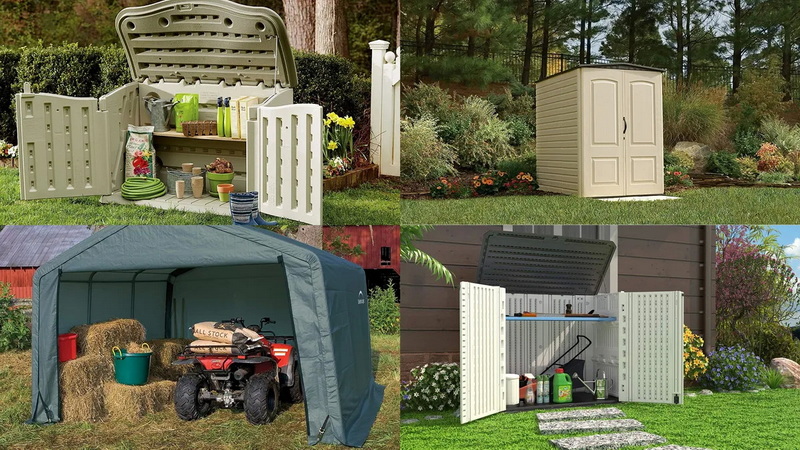
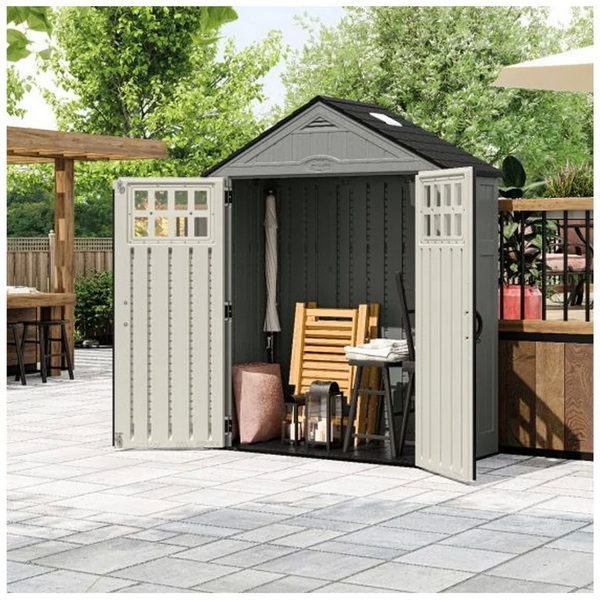
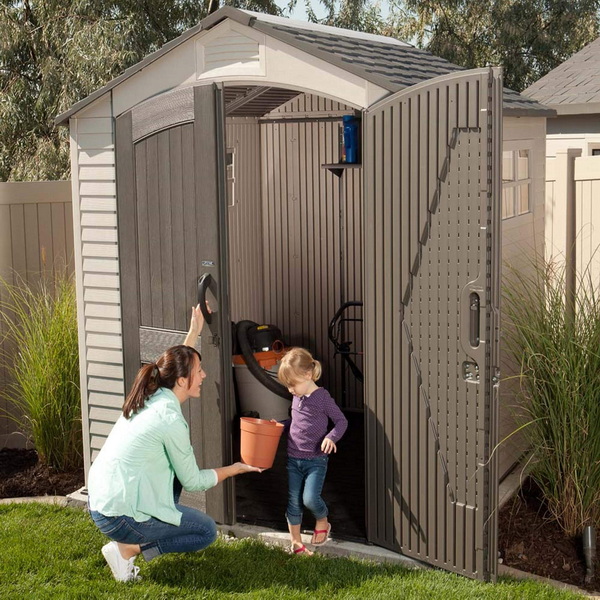
Storing diecast models requires careful consideration to maintain their condition and value. While outdoor storage sheds can provide ample space, they may not always be the best option for sensitive items like diecast models. In this article, we will explore the pros and cons of using an outdoor storage shed for diecast models and provide tips on how to optimize storage conditions.
Diecast models are miniature replicas of vehicles, often made from metal and plastic. They are popular among collectors due to their detailed designs and nostalgic appeal. However, these models are sensitive to environmental factors such as temperature, humidity, and sunlight, which can cause damage over time. For instance, high temperatures can cause plastic parts to warp, while excessive humidity can lead to rust on metal components.
1. Space Efficiency: Outdoor storage sheds offer a lot of space, which can be beneficial for large collections. You can install shelving units or use storage bins to maximize storage capacity. This is particularly useful if you have a large number of models that you don't frequently display.
2. Cost-Effective: Compared to indoor storage solutions like display cases or climate-controlled units, outdoor sheds can be more cost-effective for storing items that are not frequently accessed. This makes them a viable option for collectors on a budget.
3. Accessibility: Outdoor sheds are often located near homes or garages, making it easy to access your collection when needed.
1. Environmental Factors: Outdoor sheds are exposed to varying temperatures, humidity, and direct sunlight, which can cause fading, rusting, or warping of diecast models. Extreme temperatures can also affect the paint finish, leading to peeling or discoloration.
2. Security Concerns: Outdoor sheds are generally less secure than indoor storage, making them more susceptible to theft or vandalism. This is a significant concern if your collection includes rare or valuable models.
3. Pest and Moisture Issues: Sheds can attract pests and moisture, leading to mold or mildew, which can damage your models. Rodents and insects might chew through packaging or even the models themselves.
To make an outdoor storage shed suitable for diecast models, consider the following adjustments:
- Temperature: Maintain a stable temperature by insulating the shed or using temperature control devices. This can help prevent extreme temperature fluctuations that might damage your models.
- Humidity: Use a dehumidifier to keep the humidity level between 40-50% to prevent rust and corrosion. High humidity can also lead to mold growth, which is detrimental to your collection.
- Use UV-protective window films or curtains to block direct sunlight, which can cause fading and discoloration. This is especially important if your shed has windows that allow sunlight to enter.
- Ensure good airflow to prevent moisture buildup and reduce the risk of mold and mildew. Proper ventilation can also help maintain a stable temperature inside the shed.
- Use natural repellents like cedarwood or lavender to deter pests. These can be placed in the shed to keep rodents and insects away without using harmful chemicals.
- Invest in sturdy, waterproof storage containers or bins to protect models from moisture and physical damage. Custom storage boxes with tailored compartments are ideal for added protection.
If you are concerned about the environmental conditions in an outdoor shed, consider these alternatives:
- Use glass or acrylic display cases with UV protection to showcase your models while protecting them from dust and sunlight. These cases are ideal for frequently displayed models.
- Ideal for sensitive or valuable items, these units maintain a stable environment to prevent damage. They are more expensive but offer superior protection.
- Designed specifically for diecast models, these boxes provide tailored compartments and cushioning. They are perfect for storing models that are not frequently displayed.
- Handling: Always handle models with clean hands or gloves to prevent transferring oils and dirt. This helps maintain the condition of the paint and metal surfaces.
- Cleaning: Regularly dust models with a soft brush or microfiber cloth. For tougher stains, use a mild soap solution, but avoid excessive moisture to prevent damage.
- Storage: Store models in their original boxes or use acid-free tissue paper and bubble wrap for added protection. This helps prevent scratches and damage during storage.
For collectors who want to take their storage to the next level, consider these advanced techniques:
- Keep a detailed inventory of your collection, including model numbers, conditions, and storage locations. This helps you track your models and ensure they are stored appropriately.
- Design custom shelving units that fit your specific needs. This can include adjustable shelves for models of different sizes or compartments for accessories.
- Install security cameras or alarms in your shed to deter theft. This is especially important if you store valuable models.
- Regularly inspect your models for signs of damage or deterioration. Early detection can help prevent further damage and ensure your collection remains in good condition.
- Join collector communities or forums to learn about best practices and new storage solutions. Sharing experiences with other collectors can provide valuable insights into maintaining your collection.
While an outdoor storage shed can be used for diecast models, it requires careful optimization to protect them from environmental damage. By controlling temperature, humidity, and light exposure, and using appropriate storage solutions, you can maintain the condition and value of your collection. However, if your models are particularly sensitive or valuable, consider indoor storage options for better protection.
Diecast models should be stored in a cool, dry environment with stable temperature and humidity levels. Avoid direct sunlight and ensure good ventilation to prevent moisture buildup.
Use natural pest repellents like cedarwood or lavender sachets. Keeping the shed clean and well-ventilated can also help deter pests.
Use sturdy, waterproof containers or bins that can protect models from moisture and physical damage. Custom storage boxes with tailored compartments are ideal for added protection.
While it's possible, displaying models in an outdoor shed exposes them to environmental risks. Consider using UV-protected display cases if you choose to display them in a shed.
Dust your diecast models regularly with a microfiber cloth. For more thorough cleaning, use a mild soap solution, but avoid excessive moisture to prevent damage.
