- All
- Product Name
- Product Keyword
- Product Model
- Product Summary
- Product Description
- Multi Field Search
 EnglishEnglish

Views: 227 Author: Enoch Publish Time: 2026-07-04 Origin: Site


Content Menu
● Understanding Glass Gazebos and Solarium Gazebos
● Why "Greenhouse Heat" Is a Real Problem in High-Exposure Gardens
● Glass Gazebo vs Solarium Gazebo: Key Differences at a Glance
● Thermal Performance: How Each Structure Handles Heat
● Ventilation: The First Line of Defense Against Greenhouse Heat
● Material Technology: Glass vs PS/ASA Co-Extruded Systems
● Case Insight: Lessons from Greenhouse Cooling Practices
● Design Strategies to Solve the "Greenhouse Heat" Problem
● Expert Perspective: When to Choose a Glass Gazebo
● Expert Perspective: When a Solarium Gazebo Is the Better Solution
● Manufacturer Insight: Leveraging 27 Years of PS Gazebo Design
● Practical Checklist: Choosing Between Glass and Solarium Gazebo
● Real-World Use Case: High-Exposure Garden in North America
● Action Steps to Optimize Your Future Gazebo
● Call to Action: Design a Heat-Resilient Solarium Gazebo for Your Garden
● Frequently Asked Questions (FAQ)
In high-sun gardens, both glass gazebos and solarium gazebos can quickly turn into uncomfortable "hot boxes" if they are not designed and ventilated correctly. This article compares these two structures from a practical, expert, and user-focused perspective, with a special emphasis on managing heat in real-world garden environments. [gardenplanner.southernexposure]
A glass gazebo is a freestanding outdoor structure with a solid frame and multiple glass panels, designed as a leisure space that offers clear views and protection from wind and rain. These structures are often used for outdoor dining, tea rooms, or premium garden lounges. [gardenplanner.southernexposure]
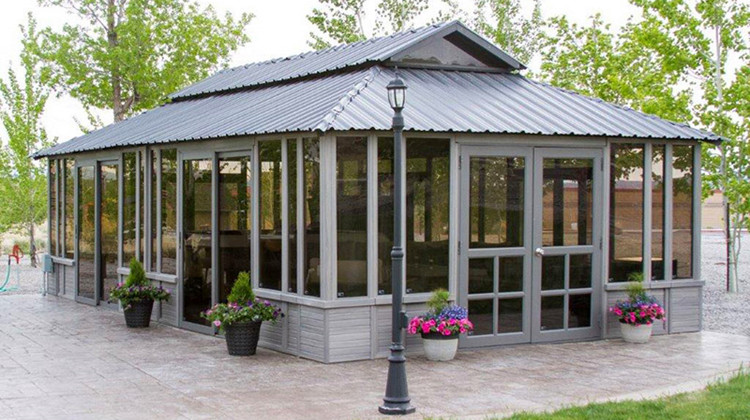
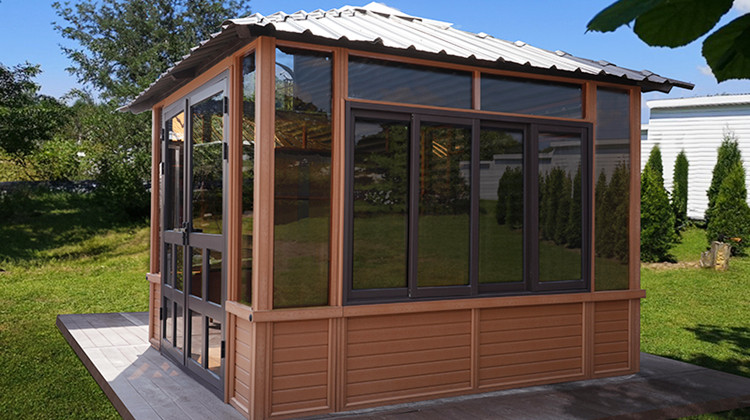
A solarium gazebo (or garden room/PS garden room) goes one step further and functions as a semi-enclosed or fully enclosed living space, often with insulated profiles, engineered roofing, and integrated doors and windows for year-round use. Compared with a simple glass gazebo, a solarium gazebo behaves more like a "garden extension" of your home, balancing light, thermal performance, and structural stability. [enoch-hp]
In a south-facing or high-exposure garden, solar radiation entering through transparent or translucent panels is trapped inside, raising the internal temperature significantly above ambient levels. Measurements in typical greenhouses show that indoor temperatures can exceed outdoor temperatures by several degrees, especially on sunny days with low wind. [gardenplanner.southernexposure]
Without proper ventilation, shading, and humidity control, prolonged temperatures above about 27°C can stress plants, damage finishes, and make the space uncomfortable for people. In extreme cases, users stop using the structure during summer, which dramatically reduces the lifetime value of the investment. [gardenbuildingsdirect.co]
Below is a high-level comparison to frame the rest of the discussion. [enoch-hp]
| Factor | Glass Gazebo | Solarium Gazebo |
|---|---|---|
| Primary use | Seasonal leisure shelter, views-focused (gardenplanner.southernexposure) | Near-year-round garden room, lifestyle-focused (enoch-hp) |
| Glazing material | Usually tempered glass, sometimes acrylic (gardenplanner.southernexposure) | Mix of PS/ASA panels, glass, engineered roof systems (enoch-hp) |
| Thermal behavior | High solar gain, fast heat build-up (gardenplanner.southernexposure) | Designed for controlled solar gain and better insulation (enoch-hp) |
| Ventilation options | Often limited to doors/windows added later (gardenplanner.southernexposure) | Can integrate roof vents, side vents, and operable panels (gardenplanner.southernexposure) |
| Maintenance | Glass cleaning, potential seal replacement (gardenplanner.southernexposure) | Low-maintenance PS/ASA components, long-term color stability (enoch-hp) |
| Customization | Mostly fixed configurations | High customization in size, layout, ventilation design (enoch-hp) |
From a thermal performance standpoint, glass gazebos have high visible light transmittance and can quickly accumulate heat in summer. Even with doors open, a simple glass enclosure may not provide sufficient airflow to keep temperatures comfortable during mid-day. [gardenbuildingsdirect.co]
Solarium gazebos, especially those built with advanced PS co-extrusion systems and engineered roofing, can be designed with selective shading, vent placement, and integrated airflow paths. By combining shade, ventilation, and humidity control, their internal temperature is easier to manage, turning a "hot box" into a usable living space. [enoch-hp]
Industry best practice for any enclosed garden structure is to prioritize ventilation to bring down temperatures and prevent humidity build-up. Effective solutions include: [gardenbuildingsdirect.co]
- Roof vents and side vents that allow hot air to escape naturally. [gardenplanner.southernexposure]
- Cross-ventilation through doors and opposite openings to create an airflow path. [gardenplanner.southernexposure]
- Automatic vent openers or fans to assist when natural airflow is insufficient. [gardenbuildingsdirect.co]
In many conventional glass gazebos, the only operable elements are the doors, which severely limits airflow under peak sun. By contrast, a well-designed solarium gazebo incorporates roof vents and louvered panels, achieving more frequent air changes and more stable internal temperatures. [enoch-hp]
Even with strong ventilation, a transparent roof can still drive temperatures too high. Practical shading strategies used in greenhouse and garden structures include: [gardenplanner.southernexposure]
- External blinds or shade netting, which filter sunlight before it enters. [gardenplanner.southernexposure]
- Shade paints specifically designed for glass, temporarily reducing glare and solar gain. [gardenbuildingsdirect.co]
- Built-in opaque or semi-opaque roof sections that provide permanent shading in high-exposure zones. [gardenplanner.southernexposure]
In many glass gazebos, shading is an afterthought, often applied through DIY curtains or external nets. Solarium gazebos, especially those using advanced PS/ASA co-extrusion roofs, can integrate UV-resistant, color-stable roofing panels that balance light transmission with controlled shading, providing longer-term comfort and aesthetics. [enoch-hp]
From a material engineering perspective, traditional glass offers excellent clarity but provides limited thermal control without additional coatings or laminations. It can also be heavy, increasing structural demands on the frame and foundation. [gardenplanner.southernexposure]
Co-extruded PS products with ASA layers, as used by leading PS gazebo manufacturers, combine structural stability, weather resistance, and colorfastness. These products are designed to withstand harsh outdoor conditions for at least 10 years without fading, delivering maintenance-free performance compared with painted or wooden structures. The ASA layer improves UV resistance, helping to protect both the structure and the interior from long-term sun damage. [enoch-hp]
Professional greenhouse operators have long dealt with extreme heat, and many of their strategies translate directly to glass and solarium gazebos. Key practices include: [gardenplanner.southernexposure]
- Opening all vents and doors early in the day to pre-empt heat build-up. [gardenbuildingsdirect.co]
- Using shade paint or netting on the sunniest surfaces. [gardenbuildingsdirect.co]
- Increasing humidity through "damping down" hard surfaces, leveraging evaporative cooling. [gardenplanner.southernexposure]
These approaches can lower internal temperatures by several degrees and reduce plant stress. When such strategies are considered during the design phase of a solarium gazebo, rather than retrofitted later, owners enjoy both comfort and lower operating costs over the long term. [enoch-hp]
From a user-experience and design perspective, the best-performing structures integrate multiple strategies rather than relying on a single solution. Consider the following integrated approach: [gardenbuildingsdirect.co]
1. Plan roof vent areas equivalent to a substantial fraction of floor area where feasible, to speed air changes. [gardenplanner.southernexposure]
2. Combine fixed shading and adjustable shading, using opaque roof sections plus removable blinds or nets. [gardenplanner.southernexposure]
3. Optimize orientation and placement, avoiding direct overhead sun where possible and using existing trees or built structures as partial shade. [gardenplanner.southernexposure]
4. Include operable windows or louvered panels at different heights to facilitate stack effect ventilation. [gardenbuildingsdirect.co]
5. Use thermally stable materials, such as co-extruded PS/ASA, to reduce long-term degradation and optical changes under high UV exposure. [enoch-hp]
In practice, these strategies are easier to implement in a customizable solarium gazebo than in a pre-configured glass gazebo with limited modification options. [enoch-hp]
From a garden designer's point of view, a glass gazebo is a strong choice if:
- Your primary goal is unobstructed views and a lightweight visual presence in the landscape. [gardenplanner.southernexposure]
- You plan to use the space mostly during mild seasons or evenings, when direct solar gain is less intense. [gardenplanner.southernexposure]
- You are ready to invest in additional shading and ventilation upgrades, such as roof vents, shade paint, or external blinds. [gardenbuildingsdirect.co]
Glass gazebos work best in climates with moderate summers, or in gardens where natural shading from trees or buildings reduces mid-day exposure. In extremely high-exposure gardens, they may require more ongoing management to stay comfortable. [gardenbuildingsdirect.co]
For high-exposure gardens where "greenhouse heat" is a recurring problem, a solarium gazebo typically offers more controlled, predictable performance. It is especially suitable if: [enoch-hp]
- You want near-year-round use of the space, from morning coffee to evening gatherings. [enoch-hp]
- Your garden faces strong sun and long summer days, requiring built-in shading and ventilation. [gardenplanner.southernexposure]
- You value customization, including roof design, door and window placement, and integration with existing landscaping. [enoch-hp]
By engineering both the envelope and the airflow, solarium gazebos can be tailored to specific climate conditions and user habits, offering a better balance between light, comfort, and durability. [enoch-hp]
Experienced manufacturers that specialize in PS gazebos and garden rooms have refined their designs over decades of field feedback. For example, one leading PS gazebo producer founded in 1999 has become a top supplier by focusing on ASA co-extrusion, advanced production equipment, and continuous R&D, achieving maintenance-free performance in harsh outdoor environments for at least 10 years. [enoch-hp]
Their global customer base, including clients in the USA, Canada, Europe, and Central America, provides a broad dataset of climate conditions and usage patterns. This allows them to optimize structures not only for aesthetics, but also for environmental performance, including heat management in high-exposure gardens. [enoch-hp]
To support real-world decision-making, use the following checklist when evaluating which structure is more suitable for your garden: [enoch-hp]
1. Sun exposure level
- High, all-day sun: prioritize a solarium gazebo with integrated shading and vents. [gardenplanner.southernexposure]
- Partial sun or shaded garden: glass gazebo may be sufficient with basic ventilation. [gardenplanner.southernexposure]
2. Intended usage time
- All-year or multi-season use: choose a solarium gazebo with better thermal control. [enoch-hp]
- Occasional summer evenings: a glass gazebo can work with targeted shading. [gardenplanner.southernexposure]
3. Ventilation and airflow options
- Roof vents, side vents, and louvered panels are more easily integrated into solarium designs. [enoch-hp]
- Glass gazebos may need aftermarket solutions such as additional operable windows or fans. [gardenbuildingsdirect.co]
4. Maintenance expectations
- If you want low maintenance and long-term color stability, PS/ASA co-extruded solarium systems offer advantages. [enoch-hp]
- If you are comfortable with regular glass cleaning and maintenance of seals, a glass gazebo remains viable. [gardenplanner.southernexposure]
5. Customization and future upgrades
- Solarium gazebos provide more flexibility for future upgrades, including shading systems, integrated lighting, or additional doors. [enoch-hp]
- Glass gazebos are often less flexible once installed, making retrofits more complex. [gardenplanner.southernexposure]
In many North American regions, gardeners report greenhouse and garden structure temperatures exceeding comfortable levels during sunny summer days. They combat this using ventilation, shade, and sometimes thermal mass strategies. [migardener]
When this experience is translated into residential garden rooms, homeowners often find that customizable solarium gazebos offer greater control and comfort than pre-fabricated glass gazebos. This is especially true when structures are supplied by manufacturers with strong R&D capabilities and experience in different climate zones. [enoch-hp]
If you are planning a new structure for your high-exposure garden, consider the following action steps based on industry best practices: [gardenbuildingsdirect.co]
1. Define your usage scenarios: morning, mid-day, evening, and seasonal patterns. [gardenplanner.southernexposure]
2. Map sun and wind exposure across your garden, identifying the most exposed zones. [gardenplanner.southernexposure]
3. Consult with an experienced PS gazebo manufacturer to explore solarium gazebo options tailored to your climate. [enoch-hp]
4. Specify ventilation and shading as part of the initial design, not as an optional add-on. [gardenbuildingsdirect.co]
5. Plan for future upgrades, such as blinds, fans, or integrated lighting, by ensuring the structure is robust and modular. [enoch-hp]
By taking these steps before purchase, you significantly reduce the risk of ending up with a "too hot to use" garden structure. [gardenbuildingsdirect.co]
If your garden suffers from "greenhouse heat" and you are evaluating glass gazebo vs solarium gazebo options, now is the ideal time to speak with an experienced PS gazebo and garden room manufacturer. With over two decades of continuous development, advanced ASA co-extrusion technology, and a proven track record in North America, Europe, and Central America, such a partner can help you tailor a heat-resilient solarium gazebo that fits your climate, aesthetic, and budget. [enoch-hp]
Take the next step by preparing your site information and design preferences, then share them with a specialist team who can translate your ideas into a comfortable, long-lasting garden room solution. [enoch-hp]
1. Why does my glass gazebo get so hot in summer?
Glass has high light transmittance and, combined with limited ventilation, traps solar energy inside the structure, raising internal temperatures several degrees above outdoor levels. Without roof vents or shading, this effect is more pronounced during mid-day. [gardenbuildingsdirect.co]
2. Can I retrofit a glass gazebo to reduce heat?
Yes, you can add external shade netting or blinds, apply shade paint on glass panels, and introduce additional vents or fans to improve airflow and reduce heat build-up. However, the effectiveness depends on the existing frame design and opening options. [gardenbuildingsdirect.co]
3. How do solarium gazebos handle heat better?
Solarium gazebos often integrate designed roof vents, side vents, and engineered roofing materials that combine shading and UV resistance, allowing more controlled solar gain and improved air circulation compared with simple glass enclosures. [gardenplanner.southernexposure]
4. Are PS/ASA panels as durable as glass?
Co-extruded PS panels with ASA layers are engineered for outdoor durability, providing at least 10 years of fade-resistant, maintenance-free performance in harsh environments, while also being lighter than glass. This makes them suitable for long-term garden structures. [enoch-hp]
5. Which option is better for a windy, high-sun location?
A well-designed solarium gazebo with robust framing, PS/ASA roofing, and integrated ventilation usually offers a better balance of structural stability and thermal comfort in windy, high-sun sites than a basic glass gazebo. [gardenplanner.southernexposure]
1. ENOCH – About Us. Available at: https://www.enoch-hp.com/aboutus.html
2. Garden Planner – How to Keep Your Greenhouse Cool in Summer. Available at: https://gardenplanner.southernexposure.com/guides/how-to-keep-your-greenhouse-cool-in-summer/
3. Garden Buildings Direct – What to Do if Your Greenhouse is Too Hot. Available at: https://www.gardenbuildingsdirect.co.uk/blog/what-to-do-if-your-greenhouse-is-too-hot/
4. Promesse de Fleurs – How to Master Heat in Your Greenhouse During Summer. Available at: https://www.promessedefleurs.ie/gardening-tips/advicesheet/how-to-manage-heat-in-your-greenhouse-during-summer/
5. MIgardener – Great Solutions for How to Heat a Greenhouse During Winter. Available at: https://migardener.com/blogs/blog/how-to-heat-a-greenhouse
