- All
- Product Name
- Product Keyword
- Product Model
- Product Summary
- Product Description
- Multi Field Search
 EnglishEnglish

Views: 242 Author: Enoch Publish Time: 2026-07-07 Origin: Site


Content Menu
● Heavy Duty vs Standard Sheds: Key Takeaways
● Understanding Snow Load Ratings in Plain Language
● What Makes a Shed "Heavy Duty"?
● What Is a Standard Garden Shed?
● Structural Design: How Each Shed Handles Snow
● Materials: Steel, PS, Wood, and Composite Systems
● Performance in Extreme Snow: Real-World Examples
● Cost vs Risk: Total Cost of Ownership
● Expert Design Checklist for 100+ lbs/sq ft Regions
● When a Standard Garden Shed Is Enough
● Custom Heavy Duty Solutions from an Industry Manufacturer's Perspective
● Practical Steps to Choose the Right Shed
● Heavy Duty vs Standard Shed: Feature-by-Feature Overview
● Why a Heavy Duty Shed Is the Safer Default in Snow Country
● Tailored Solutions and Consultation (Manufacturer Insight)
● FAQ
Heavy duty sheds are engineered to withstand extreme snow loads and high winds, while most standard garden sheds are only suitable for light to moderate climates and occasional snowfall. For regions targeting 100+ lbs/sq ft snow loads, a true heavy duty shed with verified structural design, materials, and certifications is the safer and more cost-effective choice over the building's lifetime. [chinastorageshed.en.made-in-china]
- Heavy duty sheds use stronger frames, thicker panels, and engineered roof systems that can be designed for high snow and wind loads, often supported by testing or engineering data. [wrightsheds]
- Standard garden sheds are typically optimized for mild weather, with lighter materials and minimal structural redundancy, and their snow-load ratings—if given at all—are generally much lower than heavy duty models. [wrightsheds]
- In snow-prone regions (especially where design snow loads approach or exceed 100 lbs/sq ft), selecting a shed without a clear structural rating can lead to roof sagging, leaks, or collapse, with associated safety and liability risks. [youtube]
Snow load is the weight of snow that a roof or structure must safely support, usually expressed in pounds per square foot (psf) or kilograms per square meter. For heavy snow regions, local building codes often define design snow loads that can exceed 100 psf on roofs, particularly in mountainous or northern areas. [youtube]
In practice, a 100+ lbs/sq ft design means the shed roof must handle deep, wet snow that can accumulate and freeze over several storms, not just a single dusting. Manufacturers or engineers typically validate these ratings through structural calculations, lab testing, or long-term field performance in cold climates. [youtube]
A heavy duty shed is not just a marketing label; it is a structure whose main components are engineered and specified for high loads and long-term durability. Common characteristics include reinforced frames, thicker cladding, and roof geometries that shed snow efficiently. [chinastorageshed.en.made-in-china]
From an engineering perspective, heavy duty models often feature:
- High-strength frames (galvanized steel, robust aluminum, or structural grade profiles) designed to carry concentrated snow and wind loads without permanent deformation. [chinastorageshed.en.made-in-china]
- Thicker roof and wall panels, sometimes with ribbed profiles to increase stiffness and prevent oil-canning or buckling under pressure. [made-in-china]
- Anchoring and foundation systems that transfer roof loads safely into the ground or slab, avoiding uplift or sliding in storms. [wrightsheds]
A standard garden shed is typically intended for general backyard storage in moderate climates, focusing on affordability and ease of installation rather than extreme load performance. These sheds are suitable for tools, bikes, lawn equipment, and seasonal items where snow and wind are not critical design drivers. [zh.hanbocedar]
Typical traits of standard sheds include:
- Lighter frames (thin metal sections, basic timber, or resin-based structures) aimed at cost efficiency. [zh.hanbocedar]
- Panels optimized for aesthetics and basic weather protection, rather than maximum structural stiffness. [zh.hanbocedar]
- Minimal or unspecified snow-load ratings, meaning homeowners in high-snow regions must be cautious when relying on such sheds for structural safety. [wrightsheds]
From a structural engineering standpoint, the load path—how forces move from the roof through the frame to the foundation—is the core difference between heavy duty and standard sheds. Heavy duty designs are carefully configured to control deflection and avoid local failures. [chinastorageshed.en.made-in-china]
Key aspects of snow-load management include:
- Roof geometry: Steeper, well-drained roofs shed snow faster, reducing the weight that must be carried at any one time; heavy duty models often use optimized roof angles and bracing. [youtube]
- Purlin and rafter spacing: Heavy duty sheds generally use closer spacing and larger profiles, distributing snow loads more evenly across the structure. [chinastorageshed.en.made-in-china]
- Lateral bracing: Cross-bracing and rigid connections are essential for stopping racking (sideways distortion) under asymmetric snow or wind loads. [made-in-china]
A standard garden shed may rely on minimal bracing and thinner members, which can be adequate in low-snow regions but will reach their limit much faster when snow accumulates. [zh.hanbocedar]
Different shed types use different material systems, each with its own behavior under heavy snow loads. Heavy duty models often use galvanized steel or engineered composites, while standard garden sheds may prioritize wood or resin-based assemblies for cost and aesthetics. [zh.hanbocedar]
- Metal (steel or aluminum) sheds: Heavy duty metal sheds combine thick galvanized frames with coated panels, offering high strength, corrosion resistance, and long service life, especially when properly anchored. [made-in-china]
- Wood sheds: High-quality wood sheds can be structurally robust, but they require careful design, proper treatment, and ongoing maintenance to resist moisture and decay in snowy environments. [zh.hanbocedar]
- Polycarbonate and composite sheds: Some premium sheds use reinforced polycarbonate roof panels and engineered profiles, delivering high impact resistance and strong load capacity while remaining relatively light. [youtube]
For manufacturers like Guangzhou Enoch specializing in PS garden rooms and pavilions, material choice often balances structural strength, weather resistance, and aesthetic integration with existing landscapes, while customization can further adapt the design to snow-heavy regions. [chinastorageshed]
Heavy duty sheds tested or deployed in cold regions often publish quantitative snow-load figures or demonstrate performance under real winters. For example, certain reinforced garden sheds are engineered to withstand snow loads of around 100 kg/m² (roughly 20.5 lbs/ft²) or more, with upgraded models and regional variants designed for significantly higher loads. [wrightsheds]
In contrast, many standard garden sheds either omit precise snow ratings or only quote modest values suited for light snow conditions. Homeowners sometimes attempt to compensate by manually clearing snow, but this adds operational risk and does not address structural limits. [wrightsheds]
When comparing heavy duty vs standard garden sheds, cost is often the first differentiator, yet total cost of ownership is where heavy duty structures frequently come out ahead in heavy-snow areas. [wrightsheds]
Consider the following factors:
- Upfront price: Standard sheds are usually cheaper to buy and install, but they may require more frequent repairs, reinforcement, or replacement. [zh.hanbocedar]
- Maintenance and downtime: Roof deformation, leaks, or structural repairs after heavy snow events can be costly, especially for sheds used to store valuable tools or equipment. [wrightsheds]
- Liability and safety: Structural failure causing injury or property damage carries significant indirect costs, including insurance implications and operational downtime. [wrightsheds]
By contrast, a properly engineered heavy duty shed, even with a higher initial investment, spreads its cost over a longer, safer service life, particularly when designed and installed for the snow loads typical of the site. [chinastorageshed.en.made-in-china]
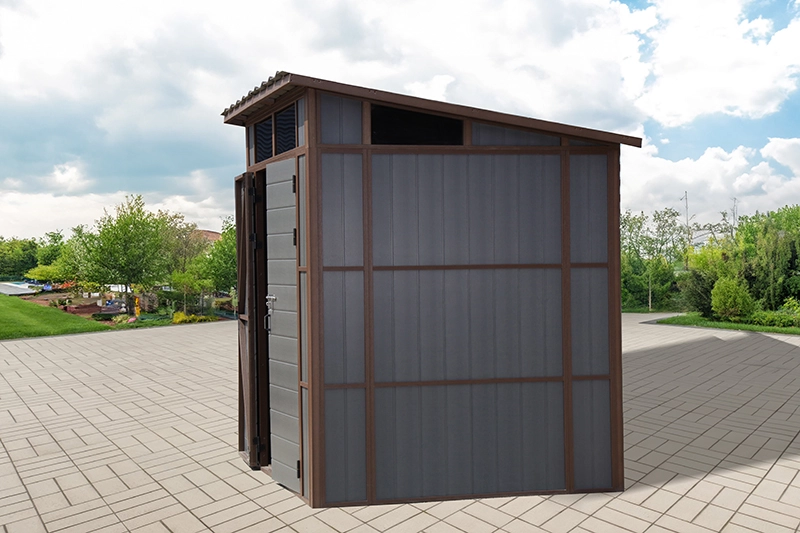
For snow loads of 100+ lbs/sq ft, both homeowners and professional buyers should approach shed selection with a structured checklist derived from engineering and industry best practice. [youtube]
1. Confirm rated snow load
- Look for documented load ratings from the manufacturer or engineer.
- Ensure the rating is at least equal to or above your local design snow load.
2. Review structural drawings or specifications
- Check frame material, member sizes, and spacing.
- Confirm bracing details and roof pitch suitable for snow shedding.
3. Assess foundation and anchoring
- Verify compatibility with concrete slabs, footings, or other robust bases.
- Ensure anchoring details are clearly specified to resist uplift and sliding.
4. Consider access and maintenance
- Plan safe access paths for periodic inspection and snow removal if needed.
- Ensure roof geometry minimizes dangerous snow overhangs or drifts.
5. Work with experienced manufacturers
- Prefer suppliers with decades of manufacturing and R&D experience, and a proven track record in regions with heavy snow. [chinastorageshed]
A standard garden shed can still be a smart choice when your region has:
- Minimal or no snowfall, and the main design driver is rain and sun.
- Light storage needs, with no critical equipment or high-value assets inside.
- Budget constraints that favor basic shelter over full structural engineering.
In warmer or temperate climates, standard sheds provide convenient, cost-effective storage and can be enhanced with better anchoring, maintenance, and selective upgrades (such as thicker roofing or added bracing) for modest load improvements. However, they should not be mistaken for heavy duty solutions without formal validation of their load capacity. [zh.hanbocedar]
From the perspective of a specialized manufacturer with 27 years of experience in PS pavilions and garden rooms, heavy duty sheds are part of a broader strategy to provide tailored outdoor structures that match the climate, usage, and aesthetic of each client. [chinastorageshed]
In practice, this often means:
- Integrating R&D and customization: Adjusting frame profiles, roof configurations, and cladding combinations based on the target snow load and regional codes.
- Iterating with international clients: Adapting designs for markets such as the United States, Canada, Europe, and Central America, where snow and wind requirements vary significantly and local expectations for durability are high. [chinastorageshed]
This manufacturer-centric approach ensures that heavy duty sheds are not just overbuilt but optimized, balancing structural safety with cost, ease of installation, and visual integration into residential or commercial landscapes.
To move from theory to action, homeowners and B2B buyers can follow a simple decision process when choosing between heavy duty and standard garden sheds in snow-prone areas. [wrightsheds]
1. Identify your snow zone
- Use local building department data to determine the design snow load for your area.
2. Rank your priorities
- Decide whether safety, longevity, budget, or aesthetics is your primary driver.
3. Shortlist shed options
- Filter suppliers and models that clearly state snow-load ratings or provide structural calculations.
4. Compare structural specifications
- For each candidate, compare frame material, panel thickness, roof pitch, and anchoring systems.
5. Engage the manufacturer
- Ask direct questions about load testing, engineering support, and customization, especially if you require 100+ lbs/sq ft capacity.
By following these steps, you significantly reduce the risk of under-specifying your shed—and ensure a structure that can realistically withstand the winters you face. [chinastorageshed.en.made-in-china]
| Aspect | Heavy Duty Shed | Standard Garden Shed |
|---|---|---|
| Primary use | Extreme weather and heavy snow regions (chinastorageshed.en.made-in-china) | Mild to moderate climates, general storage (zh.hanbocedar) |
| Snow load capability | Designed and rated for higher snow loads, with potential for 100+ lbs/sq ft in engineered models (chinastorageshed.en.made-in-china) | Often low or unspecified snow-load ratings, not intended for extreme loads (zh.hanbocedar) |
| Frame material | Galvanized steel, robust aluminum, or engineered composites (chinastorageshed.en.made-in-china) | Thin metal, basic timber or resin-based frames (zh.hanbocedar) |
| Roof design | Optimized pitch, strong purlins, and bracing for snow shedding (chinastorageshed.en.made-in-china) | Simpler roof structures, limited bracing (zh.hanbocedar) |
| Expected lifespan | Longer, with lower risk of structural damage in harsh winters (chinastorageshed.en.made-in-china) | Adequate in mild climates but vulnerable in heavy snow (zh.hanbocedar) |
| Initial cost | Higher upfront investment (wrightsheds) | Lower purchase price (zh.hanbocedar) |
| Total cost of ownership | Lower over time in snow-heavy regions due to reduced failures (chinastorageshed.en.made-in-china) | Potentially higher when accounting for repairs or replacement (wrightsheds) |
For any region where heavy, wet snow and freeze–thaw cycles are common, a heavy duty shed is the prudent default rather than a premium extra. The combination of verified snow-load capacity, stronger materials, and professional design reduces both structural risks and long-term costs. [chinastorageshed.en.made-in-china]
Standard garden sheds still play an important role in milder climates and budget-driven projects, but they should be used within their intended envelope, not as a substitute for engineered structures where safety is critical. [zh.hanbocedar]
For manufacturers serving global markets, the most successful projects often start with a consultation phase, where the client's climate, site conditions, and usage patterns are mapped to a suitable shed or garden room design. [chinastorageshed]
This approach allows:
- Custom snow-load design for residential or light commercial installations in North America and Europe.
- Integration of PS garden rooms, pavilions, and sheds into a cohesive outdoor space, balancing structural performance with architectural style and user comfort. [chinastorageshed]
In such a model, heavy duty sheds are not standalone products but part of an integrated system of weather-resilient outdoor structures, all supported by a single manufacturing and R&D platform.
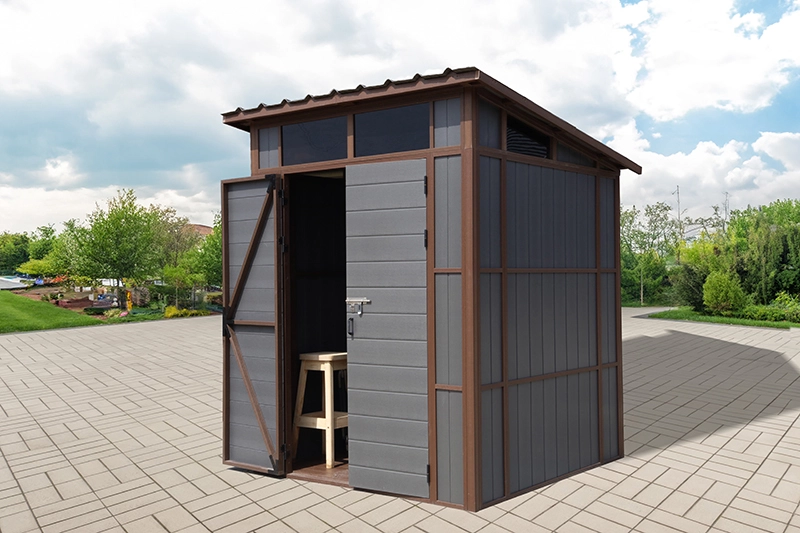
1. Can I upgrade a standard garden shed to handle heavy snow?
Retrofitting a standard shed with extra bracing, thicker roofing, or better anchoring can improve performance, but it rarely turns it into a fully engineered heavy duty structure, especially when 100+ lbs/sq ft loads are involved. [wrightsheds]
2. How do I know if a shed is truly rated for 100+ lbs/sq ft?
Check for documented snow-load ratings, engineering certificates, or test data from the manufacturer; if these are absent, assume the shed is not intended for extreme snow. [youtube]
3. Are metal sheds always better than wood in snow regions?
Not always, but galvanized steel and engineered metal frames generally provide more predictable behavior under high loads and require less maintenance than untreated or low-grade wood in snowy climates. [chinastorageshed.en.made-in-china]
4. Does roof pitch matter as much as material?
Yes, roof pitch significantly affects how quickly snow sheds; a steep, well-designed roof can reduce accumulated loads and improve safety, even when using similar materials. [youtube]
5. Are heavy duty sheds harder to install?
Many heavy duty sheds are supplied with pre-drilled components and clear manuals, making installation achievable for experienced DIY users or local contractors, despite the heavier frames and added bracing. [made-in-china]
1. Wright Sheds – "Built to Last: Durable Outdoor Sheds for Every Weather" (overview of durable shed design and weather resistance) – https://www.wrightsheds.com/durable-outdoor-sheds/ [wrightsheds]
2. Laizhou Yuyang Metal Manufacturing – Product description for heavy duty galvanized steel outdoor storage shed (structural and material specifications) – https://www.chinastorageshed.com/ [chinastorageshed.en.made-in-china]
3. Palram – Canopia – Yukon Garden Shed video (example of structural performance and snow-load data for reinforced sheds) – https://www.youtube.com/watch?v=hvsCUuzR-mk [youtube]
4. Hanbo – Outdoor Garden Wood Shed House (wood shed materials and use cases in garden applications) – http://zh.hanbocedar.com/outdoor-garden-wood-shed-house-product/ [zh.hanbocedar]
5. HUIDING – Metal garden products and factory profile (context on metal garden structures manufacturing in China) – https://www.chinastorageshed.com/info/ [chinastorageshed]
6. Made-in-China – Durable Outdoor Steel Garden Storage Shed for All Weather (comparative information on sturdy steel sheds) – https://www.made-in-china.com/video-channel/xgzsteelbuildings_NOhGMtYTnZpq_Durable-Outdoor-Steel-Garden-Storage-Shed-for-All-Wea [made-in-china]
