- All
- Product Name
- Product Keyword
- Product Model
- Product Summary
- Product Description
- Multi Field Search
 EnglishEnglish

Views: 268 Author: Enoch Publish Time: 2026-06-29 Origin: Site


Content Menu
● Why Concrete Is One of the Best Bases for a Gazebo
>> Key Advantages of Installing a Gazebo on Concrete
● Best Types of Gazebos for Concrete Installations
>> Hard Top Metal Gazebos (e.g., 10x12 Models)
>> Wooden Gazebo Kits and Garden Rooms
>> Heavy Custom Gazebos and Decorative Structures
● Step‑by‑Step: How to Install a Gazebo on Concrete Safely
>> Step 1 – Assess and Prepare the Concrete Surface
>> Step 2 – Plan Layout and Anchor Points
>> Step 3 – Drill and Install Concrete Anchors
>> Step 4 – Seal, Finish, and Inspect
● Common Installation Mistakes (and How to Avoid Them)
>> Mistake 1 – Anchoring into Weak or Damaged Concrete
>> Mistake 2 – Ignoring Drainage and Moisture
>> Mistake 3 – Underestimating Wind and Snow Loads
>> Mistake 4 – Poor Integration with Existing Patio UX
● Expert Tips for Sloped, Old, or Small Concrete Slabs
>> Working with Sloped Concrete
>> Upgrading or Extending an Existing Slab
● User Experience Design: Turning Concrete + Gazebo into a True Outdoor Room
>> Layout Ideas for Different Use Cases
● How Guangzhou Enoch Designs PS Gazebos for Concrete Foundations
>> Engineering for Stability and Ease of Installation
● Final Thoughts – Is Concrete Right for Your Gazebo?
● Call to Action – Plan Your Concrete‑Ready Gazebo or Garden Room
● FAQs
When I first started helping clients design backyard structures on concrete—patios, pool decks, and garden terraces—the same question always came up: "Is concrete really a good base for a gazebo?" [sunjoyshop]
From both a structural engineering perspective and 27+ years of manufacturing experience with PS pavilions and garden rooms, the answer is clear: yes, concrete is often the most stable, low‑maintenance foundation you can choose for a gazebo, if you install it correctly. [eleo-gazebo.co]
In this guide, I'll walk you through when concrete is the right choice, how to anchor a gazebo safely, common mistakes to avoid, and how premium PS gazebos and garden rooms (like those from Guangzhou Enoch) are engineered for solid concrete bases. [yun-sculpture]
Concrete slabs, patios, and decks are widely recommended by outdoor-structure specialists because they deliver a rigid, level, weather-resistant foundation that keeps the gazebo stable for years. [eleo-gazebo.co]
- Long‑term stability – A properly poured slab reduces settlement and shifting compared with grass or loose pavers, especially for heavier hard‑top models. [yun-sculpture]
- Consistent level surface – A level slab helps doors, glass panels, and roof structures operate smoothly and remain square over time. [eleo-gazebo.co]
- Improved safety in wind – Concrete allows you to use high‑strength expansion anchors, wedge bolts, or base plates to resist uplift and lateral loads. [woodlarkgardenluxury.co]
- Lower maintenance – You avoid issues like soft soil, muddy footings, and vegetation growing under the frame, which often occur with grass installations. [thebackyardgnome]
From an expert user-experience angle, concrete also simplifies furniture layout and drainage planning, making the space more comfortable and easier to keep clean. [sunjoyshop]
Almost any gazebo can technically be mounted on concrete, but some designs are better optimised for rigid bases and mechanical anchoring. [woodlarkgardenluxury.co]
Modern steel or aluminium gazebos with a hard roof and integrated base plates are ideal for direct anchoring into concrete. [woodlarkgardenluxury.co]
- They often include pre‑drilled anchor holes, which align perfectly with standard concrete bolts. [sunjoyshop]
- Their lighter frames compared with solid wood reduce the load on the slab while still providing all‑season protection. [woodlarkgardenluxury.co]
As an industry practitioner, I often recommend hard‑top PS or metal gazebos for high‑wind regions or exposed terraces, because they combine rigidity with predictable anchoring points. [smithbrotherslandscape]
You can absolutely install wooden gazebo kits and garden rooms on concrete, provided you use treated lumber bases and corrosion‑resistant brackets. [sunjoyshop]
- Use galvanised or stainless steel post anchors between the wood and concrete to minimise moisture transfer. [eleo-gazebo.co]
- Apply weather‑resistant sealants at the base to protect timber from splashing water and standing moisture. [sunjoyshop]
For enclosed PS garden rooms and hybrid wood‑PS structures, concrete helps keep door frames, window tracks, and sliding panels properly aligned, which directly improves day‑to‑day usability. [yun-sculpture]
Large or heavy gazebos—such as marble, iron, or multi‑room PS pavilions—often require reinforced concrete foundations rather than a thin patio slab. [yun-sculpture]
An engineer or experienced installer may specify:
- Increased slab thickness and local footings under columns
- Rebar or mesh reinforcement to resist cracking and point loads
- Specific anchor layouts to match the gazebo's structural frame [smithbrotherslandscape]
For Guangzhou Enoch's heavy PS pavilions, this type of engineered base is standard practice in complex projects in North America and Europe, especially where snow and wind loads are significant. [yun-sculpture]
From a practical installation viewpoint, the process always starts with verifying the slab and then creating a secure mechanical connection between the posts and the concrete. [toolscompendium]
1. Check level and condition – Use a long level to confirm the slab is flat enough for the gazebo footprint; note any major cracks or heaving. [eleo-gazebo.co]
2. Clean thoroughly – Remove dust, debris, loose aggregate, and organic material to improve anchor performance and safety. [toolscompendium]
3. Evaluate thickness – Where possible, verify slab thickness against the expected gazebo weight; thin, cracked slabs may require reinforcement or a new pad. [smithbrotherslandscape]
If the concrete has a deliberate slope for drainage, installers often use shim plates, levelling feet, or adjustable base brackets to keep columns plumb while preserving runoff. [workshop.bunnings.com]
- Position the gazebo where you want it, considering sun exposure, views, privacy, and access paths. [thebackyardgnome]
- Use a marker to transfer each base plate hole location onto the concrete. [youtube]
- Cross‑check the manufacturer's drawings or Enoch's installation guide to confirm the correct anchor spacing and quantity for your model. [sunjoyshop]
This planning stage is critical; from an expert's standpoint, most structural or UX problems come from incorrect placement, poor clearances, or misaligned anchors. [smithbrotherslandscape]
1. Use a hammer drill with a masonry bit sized for your chosen anchors. [youtube]
2. Drill holes to the depth specified for wedge anchors, sleeve anchors, or concrete screws. [toolscompendium]
3. Clean out dust from each hole so anchors can fully engage the concrete. [toolscompendium]
4. Insert the anchors and tighten gradually, checking that every post remains plumb and square. [youtube]
From a safety perspective, I recommend expansion anchors or structural concrete screws rated for outdoor use, rather than light‑duty fasteners. [woodlarkgardenluxury.co]
After anchoring:
- For wooden bases, apply weatherproof sealant and consider a small flashing detail near the posts. [woodlarkgardenluxury.co]
- Add decorative skirting or trim to hide hardware and create a more polished look. [sunjoyshop]
- Perform a final inspection: try gently rocking each post and visually checking all bolts, brackets, and connections. [toolscompendium]
Professional installers will also test door operation, sliding panels, and roof drainage at this stage, because small adjustments now can prevent long‑term UX issues like water pooling or binding doors. [eleo-gazebo.co]
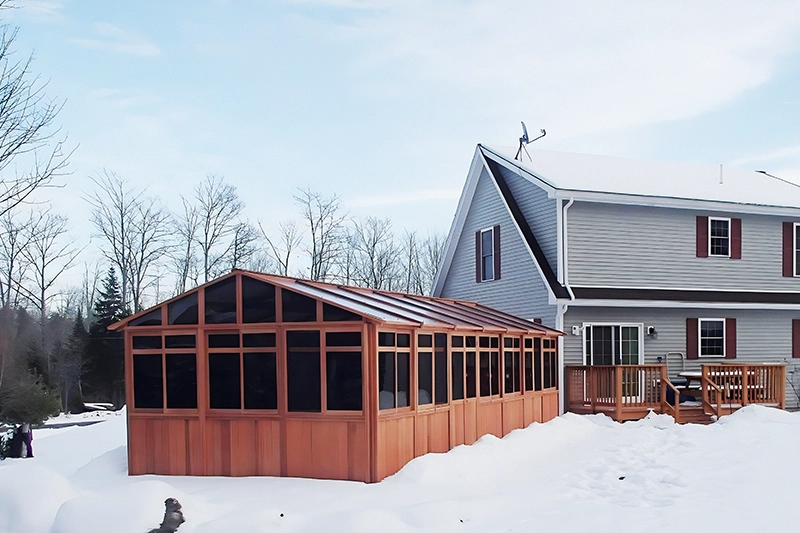
Having reviewed many homeowner projects and site photos, several recurring errors appear that can compromise both safety and user experience. [thebackyardgnome]
Anchoring into crumbling edges, spalled surfaces, or hollow spots reduces holding power and increases the risk of failure under wind loads. [smithbrotherslandscape]
Best practice: Position anchors at least several inches from slab edges, in solid concrete, and repair major damage before installation. [yun-sculpture]
A gazebo that blocks or traps water on a flat slab can lead to standing puddles, slippery surfaces, and timber decay. [eleo-gazebo.co]
Best practice: Plan for a slight slab slope or drainage channels around the structure, and keep base details compatible with how water naturally leaves the site. [eleo-gazebo.co]
Light anchoring on exposed concrete terraces can allow structures to shift, loosen, or even overturn in storms. [smithbrotherslandscape]
Best practice: Follow manufacturer anchoring guidelines strictly, and in high‑risk regions, consult local codes or engineers for additional load requirements. [yun-sculpture]
Sometimes gazebos are added where they block a main doorway, pinch walking paths, or create awkward furniture layouts. [thebackyardgnome]
From a UX perspective, always sketch traffic flows, seating arrangements, and sight lines on the concrete before final placement to ensure the gazebo enhances—not disrupts—daily movement. [thebackyardgnome]
Real‑world projects rarely happen on perfectly new, perfectly level slabs. For challenging bases, experienced teams use several adaptation strategies. [workshop.bunnings.com]
A gentle slope for drainage is common on patios. [workshop.bunnings.com]
- Use adjustable post bases or shim kits to bring the structure level while maintaining runoff. [workshop.bunnings.com]
- Anchor through levelling plates into sound concrete, not into fragile shim material. [workshop.bunnings.com]
When the slab is too small or too thin, professionals may recommend: [yun-sculpture]
- Pouring an extension pad and tying it into the original with dowels and rebar. [yun-sculpture]
- Adding local thickened areas under heavy columns. [yun-sculpture]
This ensures that even large PS garden rooms or multi‑bay gazebos have continuous structural support. [yun-sculpture]
From a UX standpoint, installing a gazebo on concrete is just the beginning. The real value comes from how the space is furnished, lit, and connected to the rest of the home. [thebackyardgnome]
- Outdoor dining pavilion – Place the gazebo near the kitchen or main entry, with clear walking paths and adequate circulation around the table. [thebackyardgnome]
- Relaxation lounge – Use outdoor rugs, sectional seating, and layered lighting to make the concrete feel warm and inviting. [sunjoyshop]
- Garden room – Surround the structure with planters, raised beds, or vertical greenery to soften the slab visually. [thebackyardgnome]
- Spa or hot‑tub shelter – Allow space for step access, towel storage, and privacy screens while keeping drainage safe and efficient. [eleo-gazebo.co]
Skilled manufacturers design PS pavilions and garden rooms with integrated cable routes, lighting options, and glass or screen panels, all of which work smoothly with a concrete base and elevate long‑term comfort. [yun-sculpture]
With nearly three decades of specialised experience in PS gazebos and garden rooms, Guangzhou Enoch manufactures structures that are intentionally engineered for secure installation on concrete in markets such as the US, Canada, Europe, and Central America. [yun-sculpture]
- Standardised base plate systems aid precise anchoring and alignment on patios and decks. [sunjoyshop]
- Structural designs account for wind, snow, and occupancy loads, making concrete the preferred foundation in many climates. [yun-sculpture]
- Professional R&D ensures compatibility with common fastener types and slab specifications used by local contractors. [smithbrotherslandscape]
For homeowners and trade partners alike, this means an Enoch PS gazebo or garden room can be installed efficiently and safely on concrete, with predictable performance over many seasons. [eleo-gazebo.co]
If you already have a concrete slab, or you're planning to pour one, it's likely an excellent choice for your gazebo or garden room—provided you invest in proper anchoring, drainage, and layout planning. [sunjoyshop]
From hands‑on industry experience and user feedback, gazebos on concrete consistently deliver:
- Better structural stability
- Safer performance in adverse weather
- Cleaner, more usable outdoor living spaces [smithbrotherslandscape]
For complex or heavy structures, collaborating with an experienced manufacturer and installer—such as Guangzhou Enoch's global project partners—helps ensure your concrete foundation is designed and executed to professional standards. [yun-sculpture]
If you are considering a PS gazebo or garden room on an existing or future concrete slab, now is the ideal moment to:
- Review your slab condition and dimensions with a local contractor. [eleo-gazebo.co]
- Discuss structural and anchoring requirements with your gazebo manufacturer or distributor. [sunjoyshop]
- Define how you want to use the space—dining, relaxation, spa, or multi‑purpose—and plan layout accordingly. [thebackyardgnome]
By combining a well‑designed concrete base with a high‑quality PS gazebo or garden room, you'll create a durable, comfortable, and genuinely enjoyable outdoor room that stays functional year after year. [eleo-gazebo.co]
Q1: Do I always need a new concrete slab to install a gazebo?
Not necessarily. Many gazebos can be safely anchored to an existing patio if it is structurally sound, reasonably level, and adequately sized for the footprint and loads. A professional assessment is recommended for older or cracked slabs. [eleo-gazebo.co]
Q2: Can a gazebo be installed on slightly sloped concrete?
Yes. Sloped concrete designed for drainage can still support a gazebo when you use levelling bases, shims, or adjustable brackets to keep columns plumb while preserving runoff. [workshop.bunnings.com]
Q3: What anchors should I use to fix a gazebo to concrete?
Most installers rely on expansion anchors, wedge bolts, sleeve anchors, or heavy‑duty concrete screws rated for outdoor structural use, matched to the manufacturer's base plate design and local code requirements. [toolscompendium]
Q4: Is concrete safer than grass or pavers for a gazebo?
In many cases, yes. Concrete offers higher resistance to movement, settlement, and uplift, especially for heavy or all‑season gazebos, making it a preferred choice where safety and longevity are priorities. [eleo-gazebo.co]
Q5: Do I need an engineer for a gazebo foundation?
For light, standard models on typical residential slabs, detailed engineering may not be required. For heavy, custom, or code‑regulated structures—including large PS pavilions and enclosed garden rooms—consulting an engineer or following manufacturer guidance is strongly recommended. [smithbrotherslandscape]
1. Sunjoy – “Can a Gazebo Be Installed on Concrete? Everything You Need to Know”. https://sunjoyshop.com/blogs/news/can-a-gazebo-be-installed-on-concrete-everything-you-need-to-know
2. Woodlark Garden Luxury – “Mounting a Gazebo on Concrete: Is It Doable?”. https://woodlarkgardenluxury.co.uk/blogs/gazebo-faqs/mounting-a-gazebo-on-concrete-is-it-doable
3. Eleo Gazebo – “Setting a Gazebo in Concrete: How to Ensure a Secure Base”. https://www.eleo-gazebo.co.uk/blog/setting-a-gazebo-in-concrete/
4. Tools Compendium – “How to Securely Install a Gazebo on Concrete: Step-by-Step Guide”. https://toolscompendium.com/how-to-drill-gazebo-into-concrete/
5. Smith Brothers Landscape – “Securely Anchor Your Gazebo to Concrete for Safety and Value”. https://www.smithbrotherslandscape.com/guide-gazebo-securely-to-concrete-stepbystep-guide/
6. Yun Sculpture – “How to Install Heavy Gazebos: Foundation & Safety Guide”. https://yun-sculpture.com/heavy-gazebo-installation-foundation-guide/
7. Bunnings Workshop – “How to install a semi-permanent gazebo on sloped concrete?”. https://www.workshop.bunnings.com.au/discussion/342498/how-to-install-a-semi-permanent-gazebo-on-sloped-concrete
8. The Backyard Gnome – “How to Set Up a Gazebo on Grass, Concrete, or Pavers”. https://thebackyardgnome.com/how-to-set-up-a-gazebo-on-grass-concrete-or-pavers/
9. YouTube – “Gazebo installation over concrete slab #outdoors #shorts”. https://www.youtube.com/watch?v=zVqtlCY33zg
