- All
- Product Name
- Product Keyword
- Product Model
- Product Summary
- Product Description
- Multi Field Search
 EnglishEnglish

Views: 222 Author: Enoch Publish Time: 2026-06-25 Origin: Site


Content Menu
● Introduction: Turn Your Gazebo into a Long‑Term Investment
● What Is Your Real Purpose for the Gazebo?
● Where Is the Best Location and Foundation?
● Which Structure Material Fits Your Climate and Lifestyle?
>> Modern Metal and PS Composite Gazebos (Expert Insight)
● What Shape Works Best for Your Space and Use?
● How Big Should Your Gazebo Actually Be?
● How Will You Customize Railings, Posts, Roof, and Floor?
>> Roof Design and Roofing Material
● Which Additional Features Will You Really Use?
● Should You Choose a DIY Kit or Professional Assembly?
● Expert‑Level Considerations Most Buyers Overlook
>> Structural Safety, Codes, and Warranty
>> Climate‑Specific Design and Year‑Round Use
>> Long‑Term Maintenance and Total Cost of Ownership
● Practical Pre‑Purchase Checklist
● Call to Action: Design Your Ideal Gazebo with an Expert Partner
● FAQs
Purchasing a gazebo is more than a décor upgrade – it is a long‑term investment in your outdoor living space, property value, and daily lifestyle. Whether you are designing a quiet garden retreat or a focal point for weddings and parties, asking the right questions before you buy will determine how well your gazebo performs over the next 10–20 years.
Drawing on 27 years of manufacturing experience in outdoor structures such as PS pavilions and garden rooms, and real feedback from North American and European buyers, this guide walks you through the 8 essential questions, plus several expert‑level considerations that most generic blog posts overlook.
Before talking about size, materials, or price, clarify why you want a gazebo in the first place. Your primary use case drives almost every design decision:
- Hot tub or spa enclosure – requires privacy, moisture‑resistant materials, and strong, corrosion‑resistant framing.
- Outdoor dining and cooking – needs smoke ventilation, power access, and easy‑to‑clean flooring.
- Garden relaxation / reading nook – benefits from open sides, light colors, and good airflow.
- Weddings, receptions, or events – calls for generous dimensions, an iconic shape, and premium finishes for photos.
- Kids' play area or poolside shade – needs safe railings, non‑slip flooring, and durable, low‑maintenance surfaces.
Expert tip: Write down your top two or three main uses and rank them. Then share this list with your manufacturer or dealer; it helps them recommend the right frame, roof, and layout instead of just selling a standard size.
After clarifying purpose, the next step is choosing where the gazebo will live on your property. A well‑chosen location can dramatically increase how often you actually use it.
Common placement strategies include:
- Center focal point – ideal for wedding gazebos or statement pieces in large yards.
- Shaded side or near trees – perfect for kids' play zones, poolside relaxation, or outdoor kitchens where summer heat is intense.
- Corner or hidden nook – best for garden gazebos, hot tub shelters, or quiet reading spaces with more privacy.
From a technical perspective, most gazebos require a flat, stable foundation, typically:
- A concrete slab or footing system.
- A wood deck built to support the gazebo's dead load and live load.
Pro advice from manufacturers:
- Confirm drainage so water does not pool under the structure.
- Align the gazebo with prevailing wind and sun direction to manage shade, glare, and rain exposure.
- If close to your home, consider matching roof color and trim for a cohesive look.
Most traditional guides compare wood vs. vinyl; however, modern outdoor living now includes advanced materials such as powder‑coated aluminum and PS (polystyrene) composite systems. The right choice depends on your climate, maintenance tolerance, and design goals. [alibaba]
Wood offers a warm, traditional, and customizable look. Cedar, pine, redwood, and even bamboo are common options, each with different color, grain, and durability profiles.
Key characteristics:
- Advantages
- Can be stained or painted in many colors.
- Naturally blends with gardens and landscapes.
- Easier to customize with detailed trims and railings.
- Limitations
- Requires regular maintenance – restaining, repainting, and weatherproofing.
- Higher risk of warping, cracking, or rot if neglected.
Wood suits buyers who care most about unique aesthetics and are willing to invest time or money in annual upkeep.
Vinyl gazebos are popular as a low‑maintenance alternative.
- Advantages
- No need to stain, seal, or repaint.
- Cleaning typically involves only hosing down or light power washing.
- Kits can be shipped and assembled on‑site.
- Limitations
- Limited color and texture options.
- More expensive to produce compared with basic wood.
Vinyl is a strong option if your priority is minimal maintenance and a clean, consistent appearance.
For buyers in harsh or coastal climates, or those planning to use the structure year‑round, advanced materials such as aluminum frames with composite panels (including PS materials) provide:
- High resistance to corrosion, insects, and moisture. [alibaba]
- Better performance in wind, rain, and snow compared with untreated wood. [gushwork]
- Sleek, contemporary aesthetics that pair well with modern homes and glass garden rooms.
These structures are especially popular in North America and Europe, where customers demand long service life with minimal maintenance for pavilions and enclosed garden rooms. [gushwork]
Decision shortcut: Ask yourself two questions, adapted from the original article:
1. Am I willing to repaint, restain, or waterproof every 1–2 years?
2. Do I need a very specific, custom look, or do I prefer a clean, modern aesthetic with low maintenance?
Your answers will usually point clearly toward wood, vinyl, or an advanced metal/composite solution.
The shape of your gazebo affects both functional space and visual impact. While largely a matter of preference, certain shapes work better for specific uses.
Typical shapes include:
- Octagonal and dodecagonal – traditional, elegant, and great for central focal points or small gatherings.
- Square and rectangular – efficient use of space; ideal for hot tubs, outdoor dining sets, and modular furniture layouts.
- Oval – softer lines, good for pathways, gardens, and narrow yards.
Manufacturers often tie available sizes to certain shapes, so not every dimension is possible in every geometry. When you talk with a supplier, ask:
- "Which shapes are available in the footprint I need?"
- "Can you show layout examples for my preferred shape and use case?"
Size is one of the most common sources of regret: many buyers under‑size their gazebo and run out of space as soon as they add furniture or a hot tub.
Key factors to consider:
- Number of people: small family dinners vs. large gatherings.
- Furniture footprint: dining table, lounge chairs, hot tub dimensions.
- Circulation space: walking paths, door swings, safety clearances.
Typical size range:
- Small structures can start around 8' x 8'.
- Larger event‑friendly gazebos can reach 20' x 40' in rectangles and ovals, or a 30' dodecagon.
Expert guideline:
- For a small lounge / tea area, target at least 3–4 m² of free space after furniture.
- For a dining area, allow roughly 0.8–1 m per seat around the table.
- For a hot tub, confirm the tub size and required service clearances before finalizing the gazebo footprint.
Always confirm with the manufacturer whether your desired shape‑and‑size combination is structurally feasible, and ask for layout drawings when possible. [blog.saleslayer]
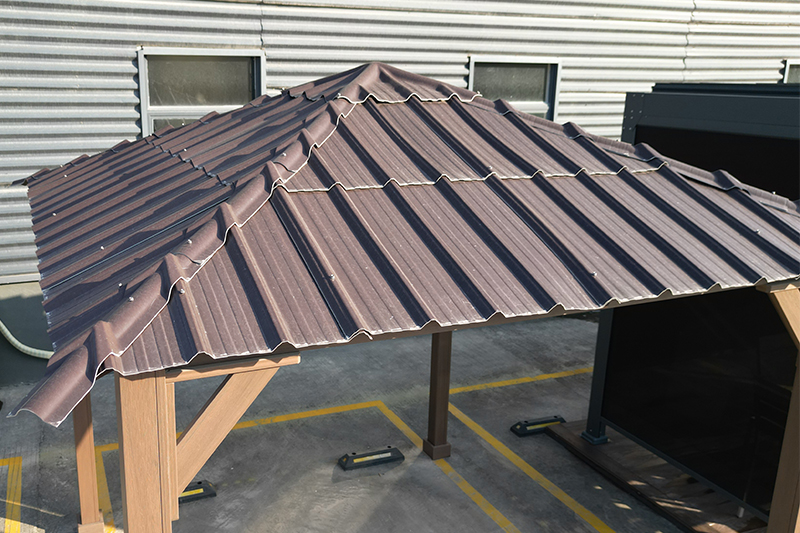
Once size and structure are defined, details like railings, posts, roofing, and flooring transform a standard gazebo into your gazebo.
Railings typically match the main structure in wood or vinyl and may come in styles such as Dutch, New England, Colonial, Baroque, or Country.
Consider:
- Open railings for views and airflow.
- Screens if you live in a mosquito‑heavy region and plan to spend long evenings outside. [redfin]
- No bottom rails when you want easy wheelchair access or a more open, pavilion‑like feel.
You usually can choose between:
- Standard square posts for a clean, modern look.
- Turned (rounder, profiled) posts for a more classic, decorative style.
In PS pavilion and metal/composite systems, post design may also be optimized for integrating glass walls, sliding doors, or shading elements, especially in garden room configurations. [gushwork]
Roof style strongly affects the silhouette and perceived height of your gazebo. Common roof configurations (e.g., single‑tier, double‑tier, hip, or pagoda‑inspired designs) can be paired with:
- Asphalt shingles – widely available, many colors, cost‑effective.
- Cedar shakes – natural look, premium feel, more maintenance.
- Rubber slates – durable and weather‑resistant.
- Metal roofing – excellent longevity, contemporary look, strong for snow and rain.
Many homeowners aim to match the gazebo roof color to their house roof for a unified view from the yard or street.
Flooring options span from composite decking and vinyl tropical decking to cellular PVC decking. For poolside or hot tub setups, prioritize:
- Slip resistance
- Moisture resistance
- Easy cleaning and drainage
Industrial‑grade PS composite or PVC decking is often selected for heavy outdoor use because it resists warping and doesn't require sanding or sealing. [gushwork]
Add‑ons can turn a simple gazebo into a multi‑season outdoor living hub. [redfin]
Consider features such as:
- Electrical package – outlets, switches, wiring, and connection points for lighting, ceiling fans, outdoor heaters, and speakers.
- Integrated or freestanding benches – shaped to follow the gazebo perimeter, providing seating without separate furniture.
- Privacy panels or glass walls – especially valuable in modern PS garden rooms to block wind and increase seasonal usability. [gushwork]
- Heating and shading elements – infrared heaters, retractable screens, or louvers extend usage into cooler months or intense sun.
Ask your supplier to show photos or case studies of gazebos similar to your intended setup; seeing real‑world configurations helps you decide which upgrades are worth the investment. [blog.saleslayer]
Many manufacturers offer gazebo kits that arrive with precut parts and predrilled holes, plus instructions. For the right buyer, this can save installation costs and provide a sense of accomplishment.
Typical kit characteristics:
- Precut lumber or structural components and fasteners.
- Pre‑drilled holes and step‑by‑step instructions.
- Basic models can be assembled by two non‑carpenters in about 5–10 hours for a 10' octagon gazebo, depending on options.
However, professional assembly may be better if:
- You have limited time or limited construction experience.
- Your site involves complex foundations or limited access, especially for large PS pavilions or enclosed garden rooms.
- Local regulations require licensed installers or permits.
Always confirm shipping logistics, whether you can pick up from a local dealer, and whether on‑site assembly services are available in your region. [blog.saleslayer]
To align with modern E‑E‑A‑T expectations and what professional buyers in the U.S., Canada, and Europe look for, add these advanced checks to your buying process.
- Ask whether the gazebo design complies with local building codes for wind, snow, and seismic conditions. [blog.saleslayer]
- Request details on structural load ratings, especially for areas with heavy snow or strong coastal winds. [blog.saleslayer]
- Review the warranty terms for frame, roofing, and finishes, and confirm what is covered (corrosion, UV fading, structural failure, etc.). [gushwork]
Manufacturers serving multiple markets know that a gazebo in Florida faces different stresses than one in Canada. Professional suppliers may adapt:
- Roof pitch and materials to handle snow load.
- Coatings and fasteners to resist salt in coastal regions.
- Insulated panels or glass for garden rooms used in cooler climates. [blog.saleslayer]
If you plan to use the structure through all four seasons, raise this upfront; it can change recommended materials and details.
Instead of focusing only on initial price, ask for a realistic 10‑year cost view:
- Expected maintenance schedule for wood vs. vinyl vs. metal/PS composite structures.
- Replacement cycle for roofing or sealants.
- Cleaning recommendations and compatible products. [siteimprove]
Manufacturers who openly discuss lifecycle costs and show real customer installations over many years tend to deliver higher long‑term value.
Before signing a contract or placing an order, walk through this quick checklist:
1. Purpose – Have you clearly defined your top 2–3 uses?
2. Location & foundation – Is the surface flat, well‑drained, and sized correctly?
3. Material – Have you compared wood, vinyl, and modern metal/PS composite options for your climate?
4. Shape & size – Does the footprint comfortably fit your furniture, hot tub, or event capacity?
5. Details – Have you chosen railings, posts, roof style, and flooring that match your home and maintenance preferences?
6. Add‑ons – Did you decide on electricity, screens, benches, glass panels, or heating needs?
7. Assembly – Will you install a kit yourself, or do you need professional installation and permits?
8. Warranty & support – Are warranty terms, after‑sales service, and shipping details clearly documented?
Bringing this checklist to your conversation with a reputable manufacturer helps ensure you do not overlook critical technical and design decisions.
A well‑planned gazebo or garden room can transform your outdoor space into a usable, beautiful, and durable living area for decades. Instead of treating it as a simple catalog purchase, approach it like a semi‑custom construction project, backed by a manufacturer with long‑term experience, engineering capability, and global project references. [redfin]
If you are ready to move from ideas to a concrete plan, gather your purpose, site photos, rough dimensions, and wishlist features, then talk directly with a specialist team that can engineer, manufacture, and customize the right gazebo, PS pavilion, or garden room solution for your property.
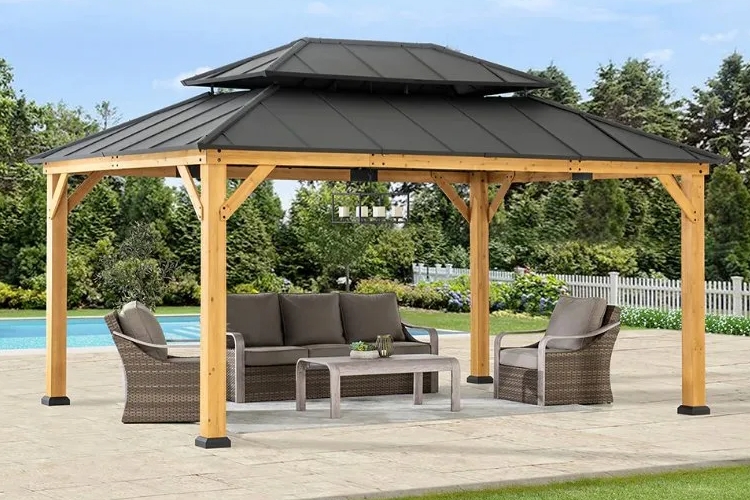
1. How long does a quality gazebo typically last?
With proper materials and maintenance, a well‑built gazebo can last well over a decade; structures using durable metals or advanced composite panels can achieve even longer service life in varied climates. [gushwork]
2. Do I always need a concrete foundation for a gazebo?
Not always; some gazebos can be built on properly constructed wood decks or existing slabs, but the key is a flat, stable, and well‑drained surface that can safely carry the load. [siteimprove]
3. Are screened gazebos worth it in cooler climates?
Yes, screens can still add value by blocking insects during warmer months, especially near water or wooded areas, and can be combined with clear panels or curtains for extended seasonal use. [redfin]
4. What is the main advantage of modern metal or PS composite structures over wood?
They generally offer lower maintenance, higher resistance to moisture and insects, and better performance in harsh weather, making them attractive for buyers who prefer "install and enjoy" rather than annual refinishing. [alibaba]
5. Can I upgrade a basic gazebo later with electricity or walls?
In many cases, yes—if the original structure was designed with future upgrades in mind, such as built‑in conduits or sufficient structural capacity for glass or panel systems, so it is wise to discuss expansion plans at the initial design stage. [gushwork]
1. Siteimprove. “SEO for manufacturing: Boost your search presence.” https://www.siteimprove.com/glossary/seo-for-manufacturing/
2. Shortlist. “Unlocking SEO Success: The Power of Long-Tail Keywords.” https://shortlist.io/blog/the-power-of-long-tail-keywords/
3. Gushwork. “SEO for Manufacturers: A Comprehensive Guide.” https://www.gushwork.ai/blog/boost-strategy-seo-manufacturers
4. Sales Layer. “SEO for Manufacturing Companies: The 2026 Strategy Guide.” https://blog.saleslayer.com/seo-for-manufacturing-companies
5. Gazebo.com. “Purchasing a Gazebo: Questions to Ask.” https://www.gazebo.com/outdoor-living-blog/purchasing-gazebo-questions/
6. Alibaba.com. “Outdoor Aluminium Gazebo.” https://www.alibaba.com/showroom/outdoor-aluminium-gazebo.html
7. Yotpo. “Long-Tail Keywords: The Ultimate Guide for 2026.” https://www.yotpo.com/blog/long-tail-keywords-guide/
8. Redfin. “Tips for Creating the Ultimate Outdoor Living Space.” https://www.redfin.com/blog/tips-for-creating-the-ultimate-outdoor-living-space/
