- All
- Product Name
- Product Keyword
- Product Model
- Product Summary
- Product Description
- Multi Field Search
 EnglishEnglish

Views: 222 Author: Hazel Publish Time: 2025-03-11 Origin: Site


Content Menu
>> Versatility
● Pros of Using Cedar for Covered Outdoor Structures
>> Lightweight and Easy to Work With
● Cons of Using Cedar for Covered Outdoor Structures
>> Cost
● Practical Considerations for Cedar Structures
>> Installation
>> Creating a Functional Space
● FAQs
>> 1. What are the primary advantages of using cedar for outdoor structures?
>> 2. How often should cedar structures be maintained?
>> 3. Can cedar be used for ground-level structures?
>> 4. Is cedar more expensive than other types of wood?
>> 5. Can cedar be stained or painted?
When considering materials for a covered outdoor structure, such as a pergola or gazebo, cedar is often a popular choice due to its natural beauty and durability. Cedar offers a unique aesthetic appeal and several practical benefits that make it suitable for outdoor projects. However, like any material, it also has its drawbacks. In this article, we will explore the pros and cons of using cedar for covered outdoor structures and provide insights into whether it is the right choice for your project.
Cedar wood, particularly Western Red Cedar, is renowned for its warm, reddish-brown color and distinctive grain pattern. It is naturally resistant to rot, decay, and insect damage due to its inherent oils, making it a durable option for outdoor applications. Cedar is also lightweight and easy to work with, which can simplify installation and reduce costs.
Cedar's natural beauty is one of its most significant advantages. It adds a luxurious touch to any outdoor space, providing a warm and inviting ambiance. The rich color of cedar can complement various architectural styles, enhancing the overall aesthetic of your home. Whether you are designing a modern patio or a traditional garden, cedar can seamlessly integrate into your design.
Cedar contains natural oils that protect it from moisture and insect damage, making it an excellent choice for outdoor structures like pergolas and gazebos. However, it is essential to maintain cedar regularly to ensure it remains durable and resistant to decay. Regular maintenance includes cleaning and applying protective coatings to preserve its natural beauty and extend its lifespan.
Cedar can be stained or painted to match changing styles or preferences, offering flexibility in design and appearance. This versatility makes cedar a great option for homeowners who like to update their outdoor spaces periodically. Whether you prefer a natural look or a bold color, cedar can accommodate your design vision.
Cedar's natural resistance to decay and insects reduces the need for chemical treatments, making it an environmentally friendly choice. This is particularly beneficial for structures that are not in direct contact with the soil. The absence of chemical treatments also ensures that cedar structures are safe for families with pets or children.
The natural beauty of cedar enhances any outdoor space, and its durability ensures that structures remain attractive over time with proper maintenance. Cedar structures can withstand various weather conditions, making them suitable for regions with diverse climates.
Cedar is lightweight, which simplifies transportation and installation, potentially reducing labor costs. This ease of handling also allows for more complex designs, as it can be easily shaped and molded to fit specific architectural needs.
Cedar can be stained or painted to fit various styles and preferences, allowing for customization in design. This flexibility is particularly useful for homeowners who want to match their outdoor structures with their home's exterior or interior decor.
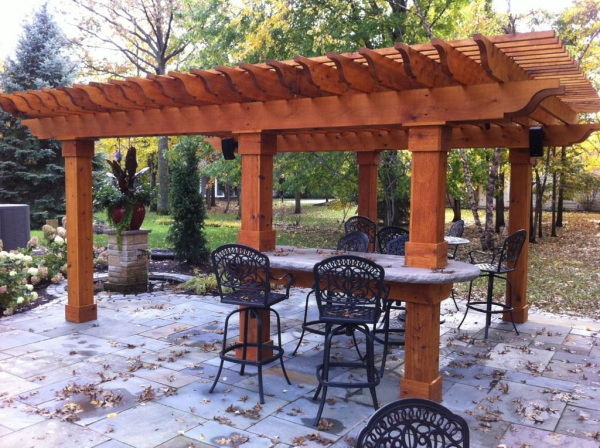
Cedar requires regular maintenance to maintain its appearance and durability. This includes power washing and re-staining every few years. While cedar is naturally resistant to decay, neglecting maintenance can lead to premature aging and damage.
While cedar is more affordable than some high-end materials, it is generally more expensive than pressure-treated lumber. The initial cost of cedar may be higher, but its durability and long lifespan can offset these expenses over time.
Cedar can deteriorate more quickly if exposed to excessive moisture, especially in shaded or ground-level applications. Ensuring proper drainage and avoiding direct contact with soil are crucial to maintaining the integrity of cedar structures.
Installing a cedar structure can be complex, especially if attaching it to an existing structure. It is advisable to work with a professional to ensure correct and safe installation. A well-installed cedar structure not only enhances the beauty of your outdoor space but also ensures safety and stability.
Cedar structures should be placed on a solid base, such as a concrete slab or pavers, to prevent settling and ensure stability. A sturdy foundation is essential for maintaining the structural integrity of the cedar structure over time.
Cedar performs best in well-drained areas. In regions with high moisture, additional maintenance may be necessary to prevent decay. Regular inspections can help identify potential issues early, allowing for timely interventions.
Pressure-treated lumber is durable and resistant to rot but may not offer the same aesthetic appeal as cedar. It is often used for structural elements that are not visible. While it is less expensive than cedar, it may require additional maintenance due to its chemical treatments.
Composite materials are low maintenance and durable but can lack the natural beauty of cedar. They are suitable for homeowners who prioritize ease of upkeep over aesthetic appeal. Composite materials are also eco-friendly, as they are often made from recycled materials.
Tropical hardwoods like Ipe are highly durable and resistant to decay but can be expensive and difficult to work with. They offer a natural look similar to cedar but require specialized tools and expertise for installation.
When designing a cedar structure, consider the overall aesthetic you want to achieve. Cedar can be used for both modern and traditional designs, making it versatile for various architectural styles. For a modern look, you might opt for clean lines and minimal ornamentation, while a traditional design might incorporate more intricate details and patterns.
Incorporating lighting into your cedar structure can enhance its beauty and functionality. String lights or lanterns can add a warm ambiance to your outdoor space, making it perfect for evening gatherings.
Adding plant life around your cedar structure can further enhance its natural beauty. Plants like vines or flowering shrubs can grow up the structure, creating a lush and inviting atmosphere.
Ensure that your cedar structure serves a functional purpose, such as providing shade or shelter. This can be achieved by incorporating seating areas, tables, or even outdoor kitchens. A well-designed cedar structure can become the focal point of your outdoor living space.
Cedar is a viable option for covered outdoor structures due to its natural beauty, durability, and resistance to decay. However, it requires regular maintenance and can be more expensive than some alternatives. Whether cedar is the right choice depends on your priorities regarding aesthetics, durability, and maintenance. By weighing the pros and cons and considering your specific needs, you can make an informed decision about using cedar for your outdoor project.
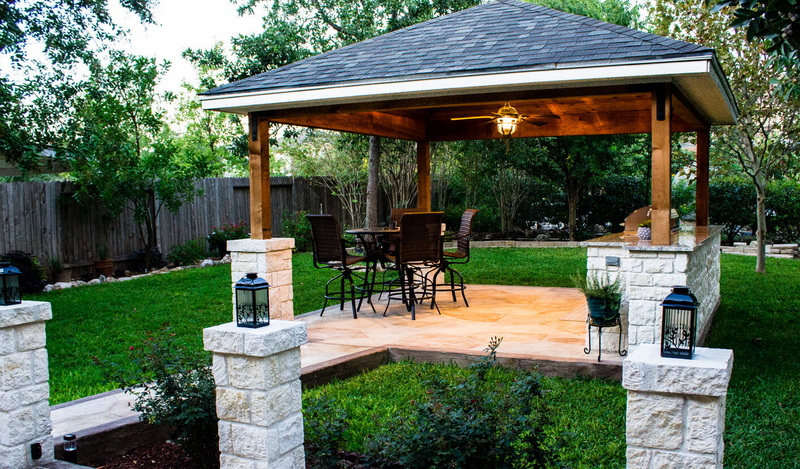
Cedar offers natural resistance to decay and insects, aesthetic appeal, and durability. It is also lightweight and easy to work with, making it a versatile choice for outdoor projects.
Cedar structures typically require power washing annually and re-staining every three to five years to maintain their appearance and durability.
While cedar can be used for ground-level structures, it is crucial to ensure proper drainage and avoid direct contact with soil to prevent decay.
Cedar is generally more expensive than pressure-treated lumber but less expensive than some composite materials. Its cost-effectiveness depends on the specific application and desired lifespan.
Yes, cedar can be stained or painted to enhance its appearance or match changing styles. However, it is recommended to use stains rather than paint to preserve the natural beauty of the wood.
