- All
- Product Name
- Product Keyword
- Product Model
- Product Summary
- Product Description
- Multi Field Search
 EnglishEnglish

Views: 222 Author: Enoch Publish Time: 2026-05-21 Origin: Site


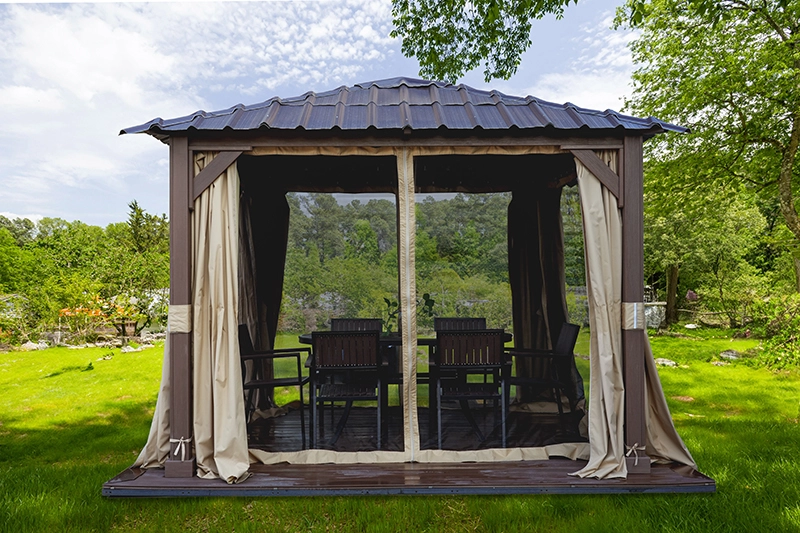
Choosing a gazebo is not just a decor decision; it is a long‑term investment in how you live, relax, and host outdoors. As a manufacturer with 27 years of experience in PS gazebos and garden rooms, we have seen what works, what fails, and what buyers often regret not asking before they order. [windmillstrategy]
In this guide, you will walk through 11 practical, expert‑backed questions that help you select the right size, material, design, and installation approach, so you buy once—not twice. [developers.google]
Many homeowners start by browsing styles, but experienced buyers begin with size and footprint. Think about both the exterior footprint and the usable interior area.
Consider these steps:
1. Measure the exact length and width of the available space.
2. Leave at least 60–90 cm of clearance around the structure for walking and maintenance.
3. Map typical use: dining for 6–8, lounge seating, hot tub, or outdoor kitchen.
4. Check local setback rules or HOA guidelines if applicable.
For small decks or narrow patios, a compact 8x8–10x10 gazebo often provides enough shade without overpowering the space. Larger gardens can comfortably host 12x12 or even 12x16 structures, especially when you plan to place a full dining set or spa underneath.
From an engineering perspective, material is the strongest predictor of how long your gazebo will last and how much work you will do to maintain it. [sunjoyshop]
Common materials and trade‑offs:
- Wood
- Warm, natural look.
- Needs regular sealing or staining to resist rot, insects, and UV damage.
- Aluminum / steel
- Strong, stable frames; powder‑coated finishes resist rust when maintained correctly. [sunjoyshop]
- Ideal for areas with wind and moderate snow loads.
- Vinyl
- Very low maintenance, but generally lighter and less rigid than metal frames.
- Polycarbonate / steel hardtop roofs
- Provide year‑round protection, UV blocking, and better snow‑load capacity for permanent gazebos. [sunjoyshop]
As a PS (polystyrene) gazebo and garden room manufacturer, we've found that reinforced PS panels combined with metal frames can deliver a strong balance of insulation, impact resistance, and design flexibility when engineered correctly. If you live in a region with harsh sun, heavy rain, or salt air, prioritize corrosion resistance, UV stability, and structural certification over low upfront cost. [robertsiegers]
Many homeowners are unsure whether to invest in a gazebo or a pergola. [sunjoyshop]
Key differences:
- Gazebo
- Solid or hardtop roof for full shade and better weather protection. [sunjoyshop]
- Often includes curtains or mosquito netting for privacy and insect control.
- Works well for dining areas, hot tubs, and all‑weather lounging.
- Pergola
- Open or slatted roof for partial shade and a more airy, architectural feel. [sunjoyshop]
- Ideal for climbing plants and light filtering rather than full protection.
If your priority is year‑round usability and protection from sun, rain, and snow, choose a gazebo or enclosed garden room structure. If you are primarily defining a visual zone or light‑shade walkway, a pergola can be the better option.
Your climate and lifestyle should drive your decision between a seasonal and a permanent structure. [sunjoyshop]
- Seasonal / temporary gazebos
- Pop‑up or fabric models.
- Easier to move and store; ideal for renters or occasional events.
- Permanent / year‑round gazebos and garden rooms
- Metal or engineered PS structures with hardtop roofs.
- Designed to handle specific snow load and wind ratings when correctly anchored. [sunjoyshop]
If you want an outdoor office, all‑weather dining room, or spa enclosure, a year‑round garden room‑style gazebo provides more comfort and protection. We recommend checking product specifications for snow‑load ratings and wind‑resistance values and comparing them to your local weather history. [sunjoyshop]
From a manufacturer's standpoint, many long‑term issues come from poor site selection rather than the product itself. [sunjoyshop]
Ask yourself:
- Do you want the gazebo as a central focal point or tucked into a corner for privacy?
- Is it covering a hot tub, fire pit, outdoor kitchen, or dining area?
- Is your deck or balcony rated to carry the additional weight of a gazebo plus occupants? A structural engineer can help confirm this when in doubt.
Best‑practice site criteria:
- Level, well‑drained ground or a solid deck/concrete surface. [sunjoyshop]
- No interference with doors, windows, or existing trees and utilities.
- Enough clearance for doors, screens, or sliding glass panels if you are creating an enclosed garden room.
Before drilling or anchoring, always check for underground utilities and local permit requirements. [sunjoyshop]
A gazebo roof is both a structural and design element; it affects shade, ventilation, snow shedding, and how the structure integrates with your home.
Common roof configurations:
- Single‑tier roof
- Clean silhouette; suitable for mild climates.
- Double‑tier / ventilated roof
- Upper vent allows hot air to escape, improving comfort in hot or humid regions.
- Dome or curved roof
- Faster rain runoff and more modern appearance; helpful in heavy rainfall areas.
Match the roof to your home:
- A shingled or traditional hipped roof often suits classic or colonial‑style houses.
- Sleek metal or polycarbonate roofs pair well with modern architecture and contemporary landscaping. [sunjoyshop]
If you are in a heavy‑snow region, prioritize a hardtop roof with certified snow‑load capacity, and follow the manufacturer's guidelines on snow removal to keep the structure safe. [sunjoyshop]
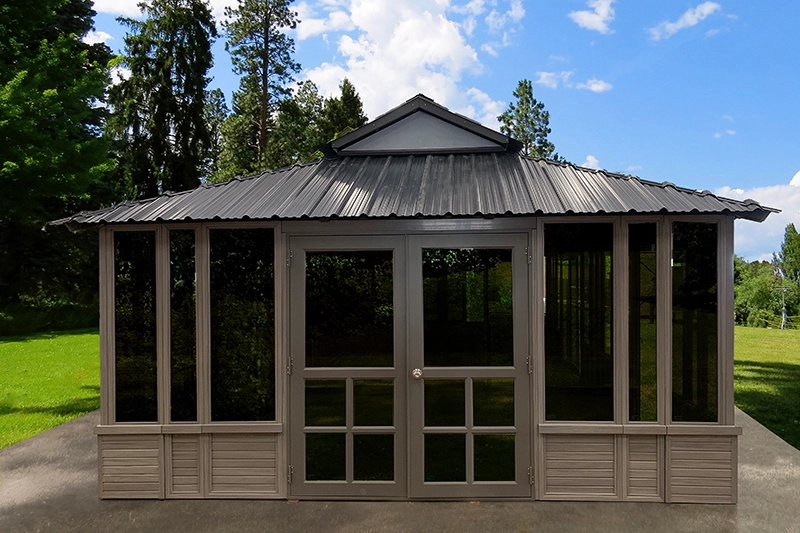
Real‑world experience shows that installation is where many DIY buyers underestimate the project. Even well‑designed kits still require time, tools, and coordination. [sunjoyshop]
Before purchase, confirm:
- Whether the gazebo comes as a pre‑engineered kit with labeled parts and pre‑drilled holes. [sunjoyshop]
- The required tools (e.g., impact driver, ladder, concrete anchors).
- Recommended number of people; many hardtop units require at least two to three adults for safe assembly.
If:
- You enjoy DIY builds, look for models with clear manuals, video tutorials, and responsive customer support. [sunjoyshop]
- You prefer a hands‑off experience, choose a supplier that offers professional installation or partners with local contractors experienced in gazebo assembly. [cazbah]
Experienced buyers think about accessories from day one, because these choices can influence structural design and wiring. [sunjoyshop]
Plan for:
- Comfort and privacy
- Curtains, mosquito netting, privacy screens, insulated wall panels.
- Climate control
- Ceiling fans, infrared heaters, misters, or portable AC units for enclosed garden rooms.
- Lighting and power
- LED strips, downlights, and sufficient power outlets for laptops, speakers, and outdoor kitchens.
- Lifestyle features
- Mounting points for a hanging swing, projector screen, or TV (where weather‑protected).
If you are building a PS garden room or enclosed gazebo, discuss cable routing, conduit, and structural reinforcement with the manufacturer before finalizing the design, especially for ceiling‑mounted accessories.
Homeowners often compare prices between gazebo kits without looking at the total cost of ownership: installation, maintenance, repairs, and potential replacement. [atonce]
Key cost components:
- Upfront kit or custom structure cost
- Pre‑made gazebo kits from major brands typically range from a few hundred to several thousand dollars, depending on size and materials. [sunjoyshop]
- Installation
- DIY reduces labor cost but increases time; professional installation adds upfront cost but ensures correct anchoring and assembly.
- Maintenance
- Wood requires regular painting or staining; metal and PS structures mainly need periodic inspection and cleaning.
- Lifespan and warranty
- Longer warranties often indicate greater confidence in structural durability when properly installed. [sunjoyshop]
From a manufacturer's perspective, customers who invest slightly more in durable materials and professional installation usually spend less over 10–15 years than those who buy cheaper, lightweight structures they must replace. [windmillstrategy]
Even the best‑engineered gazebo performs only as well as its maintenance routine. [sunjoyshop]
Good practices include:
- Regularly inspecting fasteners, brackets, and anchoring points for loosening or corrosion.
- Cleaning roof panels and gutters to prevent standing water and debris buildup.
- Touching up any scratches on powder‑coated steel to reduce surface rust; light surface oxidation is normal but should be controlled. [sunjoyshop]
- Following local weather advisories and manufacturer guidance regarding heavy snow, high winds, or hurricanes.
Always review the warranty terms carefully. Most warranties do not cover damage from extreme weather or misuse, but they often cover manufacturing defects and specified structural components when properly installed. [sunjoyshop]
In the age of online marketplaces, it is easy to buy a gazebo with minimal brand context. For a structure that will live in your garden for a decade or more, manufacturer expertise matters. [robertsiegers]
When evaluating suppliers, look for:
- Proven experience in designing and manufacturing permanent gazebos and garden rooms rather than generic metal frames.
- Real‑world installations in climates similar to yours (e.g., North America, Europe, Central America).
- Clear documentation, manuals, and accessible online libraries for assembly and care. [sunjoyshop]
- Responsive technical support for load calculations, anchoring questions, and replacement parts.
As a manufacturer with 27 years focused on PS gazebos and garden rooms, Guangzhou Enoch understands how material selection, structural engineering, and user behavior interact in real outdoor environments. Our team works with clients across the United States, Canada, Europe, and Central America to tailor solutions that withstand local weather and using habits, not just showroom conditions. [gushwork]
Use this quick checklist before you commit to any gazebo:
- Have I measured my space and allowed walking clearance?
- Does the material match my climate and my willingness to maintain it?
- Am I better served by a fully roofed gazebo or a lighter pergola?
- Do I want seasonal shade or a year‑round outdoor room?
- Is the installation location level, well‑drained, and structurally sound?
- Does the roof design suit both my climate and my home's style?
- Do I have a realistic plan for installation and anchoring?
- Which accessories and utilities do I want in the next three years?
- Do I understand the total cost, including installation and maintenance?
- How will I inspect and maintain the structure each season?
- Does the manufacturer have the expertise and support depth I need?
If you are still unsure which structure is right for your space, the next step is simple: talk to a manufacturer that designs gazebos and garden rooms every day. [windmillstrategy]
Share your yard dimensions, climate, and usage plan with our team at Guangzhou Enoch, and we will help you select or customize a PS gazebo or garden room configuration that balances aesthetics, structural safety, and budget—before you place an order. This way, you can enjoy a comfortable, long‑lasting outdoor room that truly fits your life, not just your cart.

1. How long does a hardtop gazebo typically last?
A well‑engineered metal or PS hardtop gazebo can last 10–15 years or more with proper installation, anchoring, and basic maintenance, such as cleaning and periodic inspection. [cazbah]
2. Do I need a permit to install a gazebo or garden room?
Permit requirements vary by city and country, so it is important to check with your local authorities or municipal codes before installation, especially for permanent or enclosed structures. [sunjoyshop]
3. Can I install a gazebo on a deck?
Yes, many gazebos can be installed on decks, but you must confirm that the deck structure can support the combined weight of the gazebo and occupants and use appropriate anchors for wood or composite surfaces. [sunjoyshop]
4. What is the difference between a soft‑top and hardtop gazebo roof?
Soft‑top roofs use fabric for flexible shade and easier seasonal setup, while hardtop roofs use metal or polycarbonate panels that provide better year‑round protection, snow‑load capacity, and durability. [sunjoyshop]
5. How do I choose the right size gazebo for my furniture?
Start by arranging your outdoor furniture in the intended layout, measure the footprint, and add at least 60–90 cm of clearance around the arrangement; then select the gazebo size that safely covers this area.
- Google Search Central – Creating Helpful, Reliable, People‑First Content (E‑E‑A‑T Guidelines). [Link] [developers.google]
- Sunjoy – "8 Questions to Ask Yourself When Purchasing a Gazebo" (original article used as structural and thematic reference). [Link]
- Sunjoy – FAQs and product information on gazebos, pergolas, and outdoor structures. [Link] [windmillstrategy]
- Windmill Strategy – SEO for Industrial Companies: Content and user‑intent best practices (used for SEO and UX framing). [Link] [windmillstrategy]
- Gushwork – 5‑Phase SEO Strategy for Manufacturing to Boost Organic Growth (used to align long‑tail keyword and topic‑cluster strategy with manufacturing audiences). [Link] [gushwork]
- Sunjoy – Main website and gazebo product category for material and usage descriptions. [Link] [sunjoyshop]
