- All
- Product Name
- Product Keyword
- Product Model
- Product Summary
- Product Description
- Multi Field Search
 EnglishEnglish

Views: 222 Author: Hazel Publish Time: 2025-03-10 Origin: Site


Content Menu
● Introduction to Outdoor Pavilion Wiring
>> Electrical Load Calculation
>> 1. House Electrical Panel Modifications
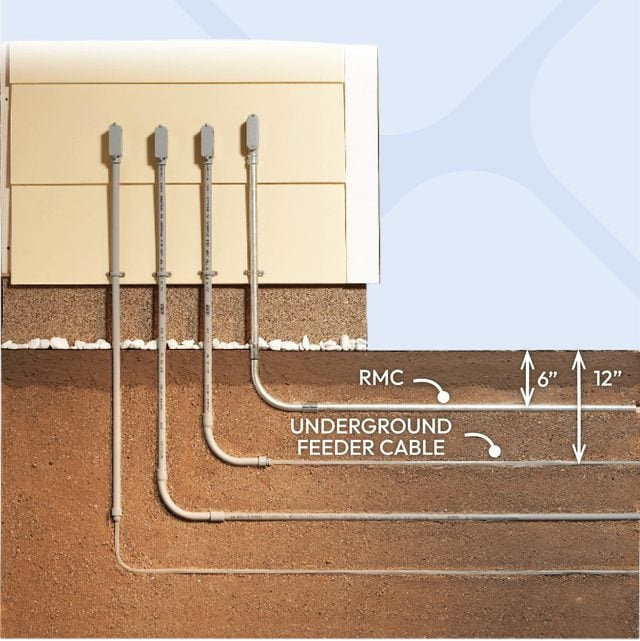
>> 2. Running and Securing the Wiring Underground
>> 3. Transitioning into the Pavilion
>> 4. Pavilion Connection Details
● Techniques for Timber Frame Pavilions
● FAQ
>> 1. What type of wire should I use for outdoor pavilion wiring?
>> 2. How deep should I bury the electrical conduit or cable?
>> 3. What safety precautions should I take when wiring an outdoor pavilion?
>> 4. How can I hide electrical wiring in a timber frame pavilion?
>> 5. Do I need a permit to wire an outdoor pavilion?
Wiring an outdoor pavilion is a complex task that requires careful planning, execution, and adherence to safety standards. This guide will walk you through the process step by step, ensuring that your pavilion is both functional and safe.
Outdoor pavilions are versatile structures that can be used for various purposes, from entertainment to relaxation. Adding electricity to these spaces enhances their usability, especially during evening events or in areas with limited natural light. However, integrating electrical systems into these structures requires careful consideration of safety, aesthetics, and functionality.
Before starting the wiring process, it's essential to plan the electrical layout. This involves identifying the desired fixtures and amenities, such as lighting, ceiling fans, and outlets. Consider the pavilion's design and how these elements will be integrated without compromising its aesthetic appeal. For instance, you might choose to install recessed lighting or pendant lights to create a warm ambiance. Additionally, consider the placement of outlets to ensure they are accessible yet out of the way.
When planning, also think about future expansions or upgrades. This might include installing smart home devices or energy-efficient lighting systems. It's crucial to ensure that your electrical system is scalable and adaptable to future needs.
Calculating the electrical load is a critical step in planning. This involves determining the total wattage of all devices and fixtures you plan to install. Common items include:
- Lighting: LED lights, string lights, or lanterns.
- Ceiling Fans: One or more fans depending on the pavilion size.
- Outlets: For powering appliances or charging devices.
- Heaters or Coolers: For temperature control in extreme weather conditions.
Use the following formula to calculate the total load:
Total Load=Total Watts/120Volts
This calculation helps determine the appropriate circuit size and breaker rating needed for your pavilion.
1. Turn Off Power: Ensure the main breaker is switched off before working on the electrical panel.
2. Add a Dedicated Breaker: Install a new breaker sized for the pavilion's circuit amperage needs. This ensures that the pavilion has its own dedicated circuit, reducing the risk of overloading other household circuits.
3. Remove Knockout Panel: Use a cable clamp if conduit is involved.
4. Run Wires: Use outdoor-rated wire like UF or THWN.
- Conduit Method: Dig a trench at least 18 inches deep and run conduit with long-radius bends. Pad the conduit with sand and secure it every 3-5 feet. This method provides additional protection against damage from digging or heavy loads.
- Direct Burial Cable: Bury the cable a minimum of 24 inches deep. Avoid tension and kinking, and backfill with sand or screened dirt. Direct burial cable is more straightforward but requires deeper burial to meet safety standards.
1. Exterior Junction Box: Use an exterior junction box to transition from outdoor cable to interior wiring. Ensure the junction box is weatherproof and securely attached to the pavilion structure.
2. Convert to Standard Wiring: Use Romex style wire for interior runs. This type of wire is suitable for indoor use and is easier to work with than outdoor-rated cables.
3. Outdoor-Rated Boxes: Install these for all exterior receptacles and fixtures. These boxes are designed to withstand weather conditions and provide a safe connection point.
4. Label Wires: Clearly label wires indicating gauge, function, and corresponding breaker number. This step is crucial for future maintenance and troubleshooting.
1. Install Receptacles and Lights: Securely install all receptacles and light/fan boxes. Use screws or clips to ensure they are firmly attached to the pavilion structure.
2. Connect Switches and Controls: Follow manufacturer instructions for switches, smart controls, and dimmers. These devices can enhance the functionality of your pavilion by allowing remote control or scheduling.
3. Group Low Voltage Wiring: Separate low voltage wiring from 120V power feeds. This reduces interference and improves safety.
- Seal Openings: Use silicone caulk to seal outdoor electrical box openings. This prevents water from entering the boxes and reduces the risk of electrical shock.
- Watertight Fittings: Use raintight LBs for transitions. These fittings ensure that connections remain secure and watertight.
- Inspect Work: Ensure compliance with NEC and local codes before powering on. It's advisable to hire a licensed electrician for this step if you're unsure about any aspect of the installation.
Timber frame pavilions present unique challenges due to their exposed structure. Here are some innovative techniques to integrate electrical wiring seamlessly:
1. Deeper Channel: Create a deeper channel for wiring. This allows for more substantial wiring bundles and reduces the risk of damage from nails or screws.
2. Secondary Channel: Add a shallower channel over the first for aesthetic purposes. This can be covered with a removable fillet strip to maintain the pavilion's natural look.
3. Fillet Strip: Use a removable fillet strip to cover the wiring channel. This provides easy access for future repairs or upgrades while keeping the wiring hidden from view.
In some cases, you might choose to expose the wiring as part of the design aesthetic. This can be achieved by using decorative conduit or cable management systems that blend with the timber frame style. Exposed wiring can add a rustic or industrial touch to the pavilion's interior.
Ensure that all metal components of the pavilion are properly grounded and bonded. This includes metal frames, railings, and any other conductive materials. Grounding prevents electrical shock and ensures safety in case of a fault.
All electrical components used outdoors must be weather-resistant. Look for products with IP ratings suitable for outdoor use. Regularly inspect these components for signs of wear or damage.
Consider future upgrades when designing your electrical system. This might include installing smart home devices, additional lighting, or even solar panels. Ensure that your wiring is scalable and adaptable to future needs.
Wiring an outdoor pavilion requires meticulous planning and execution to ensure safety and functionality. By following these steps and considering the unique challenges of different pavilion types, you can create a well-integrated electrical system that enhances the usability and enjoyment of your outdoor space.

Use outdoor-rated wire such as UF (Underground Feeder) or THWN (Thermoplastic-insulated) for all underground and exterior wiring.
For conduit, bury it at least 18 inches deep. For direct burial cable, aim for a minimum of 24 inches deep.
Always turn off power at the main breaker before starting work. Use watertight fittings and seal all outdoor electrical box openings with silicone caulk.
Use a two-step channel approach: a deeper channel for wiring and a secondary, shallower channel covered with a removable fillet strip.
Yes, obtaining an electrical permit from your local authorities is typically required before starting the project.
