- All
- Product Name
- Product Keyword
- Product Model
- Product Summary
- Product Description
- Multi Field Search
 EnglishEnglish

Views: 222 Author: Hazel Publish Time: 2025-04-09 Origin: Site


Content Menu
● Introduction to Outdoor Pavilions
● Mixing and Pouring the Concrete
● FAQ
>> 1. What is the recommended thickness for a concrete slab under an outdoor pavilion?
>> 2. How do I ensure proper drainage under the concrete slab?
>> 3. What type of reinforcement should I use for a large pavilion?
>> 4. How long does it take for the concrete to cure completely?
>> 5. Can I pour a concrete slab myself, or should I hire a professional?
Pouring a concrete slab for an outdoor pavilion is a significant project that requires careful planning, preparation, and execution. This guide will walk you through the process step by step, ensuring that your pavilion has a solid foundation to stand the test of time.
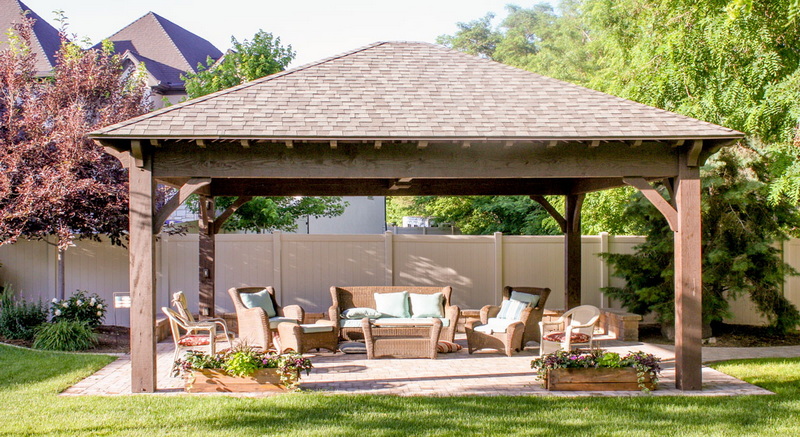
Outdoor pavilions are structures that provide shade and shelter in gardens, parks, or backyards. They can be used for various purposes, such as hosting outdoor events, creating a cozy reading nook, or simply enjoying the outdoors. A well-built concrete slab is essential for supporting the weight of the pavilion and ensuring stability.
Before you start pouring the concrete, it's crucial to prepare the site properly. This involves several key steps:
1. Marking the Area: Use spray paint or strings and stakes to mark out the area where you plan to pour the concrete slab. Ensure the marked area is slightly larger than the pavilion's footprint to accommodate the forms and working space.
2. Calling 811: Contact your local utility companies to mark any underground lines before digging. This is a safety precaution to avoid damaging utility lines and incurring fines.
3. Excavating the Site: Dig the marked area to a depth that allows for a subbase layer and the concrete slab. Typically, you'll need to go down about 6 to 8 inches for a standard slab.
4. Laying the Subbase: Fill the excavated area with crushed stone or gravel to create a stable and well-draining base. Compact this layer using a tamper or plate compactor. This step is crucial for preventing water accumulation under the slab, which can lead to erosion or structural issues.
5. Leveling the Site: Use a level to ensure the subbase is perfectly even. This is important for maintaining the structural integrity of the slab and preventing uneven settling.
Forms are essential for shaping the concrete slab. Here's how to build them:
1. Cutting the Form Boards: Use 2x4 or 2x6 lumber for the form boards, depending on the size of your slab. Ensure they are sturdy enough to hold the weight of the wet concrete.
2. Assembling the Forms: Place the form boards around the excavated area, ensuring they are level and securely fastened with stakes. Use a level to guarantee the forms are perfectly aligned.
3. Coating the Forms: Apply a release agent to the inside of the form boards to prevent the concrete from sticking to them after it sets. This makes removing the forms easier once the concrete has cured.
Reinforcement is crucial for adding strength to the concrete slab:
1. Laying Wire Mesh: Place a wire mesh or rebar within the form to provide additional structural support. This helps prevent cracking and ensures the slab can support the weight of the pavilion.
2. Installing Rebar: For larger pavilions or in areas with heavy loads, consider using rebar for extra reinforcement. This involves laying the rebar grid within the form before pouring the concrete. Rebar is particularly important in regions prone to seismic activity or where the pavilion will be subject to heavy use.
Once your site is prepared and your forms are in place, it's time to mix and pour the concrete:
1. Mixing the Concrete: Follow the instructions on the concrete mix to achieve the right consistency. You can mix by hand for small projects or use a mixer for larger ones. Ensure the mix is not too dry, as this can lead to weak spots in the slab.
2. Pouring the Concrete: Start pouring the concrete in one corner and work your way across the slab, using a shovel to spread it evenly. Use a screed to level the surface. It's important to pour the concrete in a continuous process to avoid cold joints.
3. Finishing the Concrete: Use a bull float to smooth out the surface, removing any air bubbles. Apply a non-slip finish if desired. This can be achieved by using a broom or a textured mat to create a rough surface.
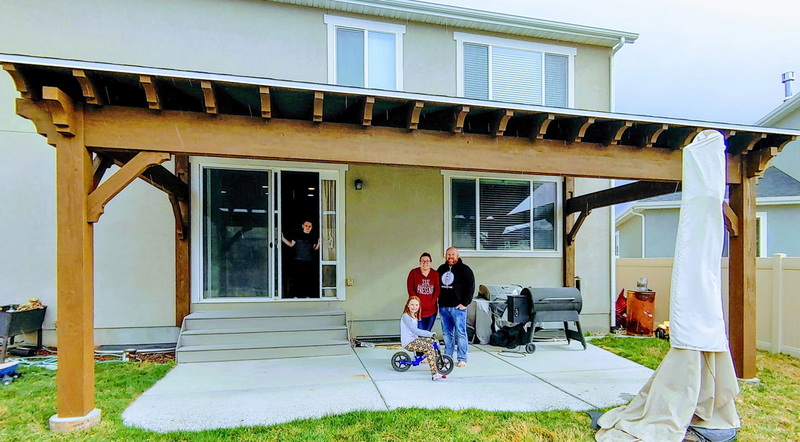
After pouring and finishing the concrete, it's essential to let it cure properly:
1. Protecting the Slab: Cover the slab with a tarp or plastic sheet to protect it from debris and weather conditions. This helps maintain a consistent moisture level, which is crucial for proper curing.
2. Curing Time: Allow the concrete to cure for at least two to three days before removing the forms. However, it may take several weeks for the concrete to reach its full strength.
3. Watering the Slab: Keep the slab moist during the curing process by misting it with water regularly. This prevents drying out, which can weaken the concrete.
Once the concrete slab is fully cured, you can proceed with installing the pavilion:
1. Preparing the Footings: If your pavilion requires footings, ensure they are properly anchored to the concrete slab using anchor brackets. This provides additional stability and prevents the pavilion from shifting over time.
2. Assembling the Pavilion: Follow the manufacturer's instructions to assemble and secure the pavilion to the concrete slab. Use appropriate fasteners and ensure all connections are secure to withstand wind and weather conditions.
- Drainage: Ensure that the area around the pavilion allows for proper drainage. This can be achieved by sloping the ground slightly away from the slab or installing a French drain.
- Electrical and Plumbing: If your pavilion will include electrical or plumbing fixtures, plan these installations carefully. You may need to run conduits or pipes under the slab before pouring the concrete.
- Maintenance: Regularly inspect the slab and pavilion for signs of wear or damage. Address any issues promptly to prevent more serious problems from developing.
Pouring a concrete slab for an outdoor pavilion requires careful planning and execution. By following these steps and considering additional factors such as drainage and reinforcement, you can ensure a solid foundation that will support your pavilion for years to come.
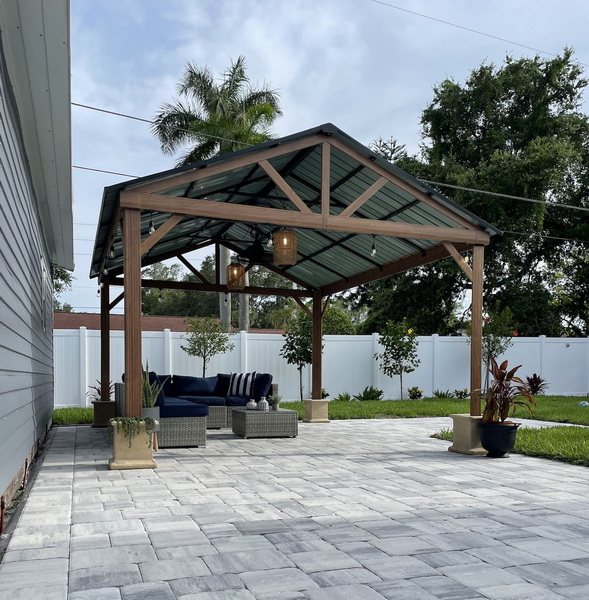
The recommended thickness for a concrete slab under an outdoor pavilion is typically at least 4 inches, with additional depth around the edges for stability.
To ensure proper drainage, lay a layer of crushed stone or gravel under the slab. This allows water to drain away from the concrete.
For a large pavilion, consider using rebar for additional structural support. This helps distribute the weight evenly and prevents cracking.
Concrete typically takes two to three days to cure enough to remove the forms, but it may take several weeks to reach its full strength.
While it's possible to pour a concrete slab yourself with the right tools and knowledge, hiring a professional is recommended for larger or more complex projects to ensure quality and safety.
[1] https://www.familyhandyman.com/article/guide-to-pouring-a-concrete-patio/
[2] https://gazebo.com/outdoor-living-blog/tips-to-prepare-yard-for-outdoor-structure/
[3] https://www.youtube.com/watch?v=3vz7s0COJV0
[4] https://www.manomano.co.uk/advice/how-to-pour-a-concrete-slab-9364
[5] https://www.masterclass.com/articles/diy-concrete-patio-guide
[6] https://fletchercreekcottage.com/diy-outdoor-pavilion-project/
[7] https://www.youtube.com/watch?v=Vp71xICB1CM
[8] https://www.wonkeedonkeeforestgarden.co.uk/how-to-lay-a-concrete-base/
[9] https://www.houzz.com.au/photos/patio-design-ideas-with-concrete-slab-phbr1-bp~t_10754~a_39-260
[10] https://www.youtube.com/watch?v=HmdqswuMp0Q
[11] https://www.youtube.com/watch?v=hLsgAvyWeWo
[12] https://www.youtube.com/watch?v=oN_dXm6j44s
[13] https://www.reddit.com/r/HomeImprovement/comments/13lj07s/pavilion_pergola_on_concrete_pad/
[14] https://www.westerntimberframe.com/pavilion-kits/so-you-want-to-build-a-pavilion-now-what/
[15] https://www.youtube.com/watch?v=RtOxSITcHVY
[16] https://www.reddit.com/r/HomeImprovement/comments/3xv2xk/pouring_a_concrete_pad_for_a_pergolabbq_area/
[17] https://www.youtube.com/watch?v=E7ItyyafDUg
[18] https://www.pinterest.com/calicoconstructionproducts/concrete-patios/
[19] https://www.pinterest.com/pin/poured-concrete-patio-ideas-plants-pots-decor--485192559856126760/
[20] https://www.shutterstock.com/search/concrete-patio
[21] https://www.architecturaldigest.com/story/concrete-patio-ideas
[22] https://www.youtube.com/watch?v=eXvzhLW0Syk
[23] https://www.gettyimages.co.jp/%E5%86%99%E7%9C%9F/pouring-concrete-slab
[24] https://www.youtube.com/watch?v=Jqv7irKDwjg
[25] https://www.pavingdirect.com/info/how-to-lay-a-patio/
[26] https://www.youtube.com/watch?v=Rp4xBvQ3Djc
