- All
- Product Name
- Product Keyword
- Product Model
- Product Summary
- Product Description
- Multi Field Search
 EnglishEnglish

Views: 222 Author: Hazel Publish Time: 2025-03-20 Origin: Site


Content Menu
● Introduction to Pavilions and Gazebos
● DIY Tips
● FAQ
>> 1. What types of plants are best for a gazebo in a small yard?
>> 2. How do I maintain plants around my gazebo?
>> 3. Can I plant a green roof on my gazebo?
>> 4. What are some low-maintenance plants for around a pavilion?
>> 5. How can I incorporate sensory elements into my garden?
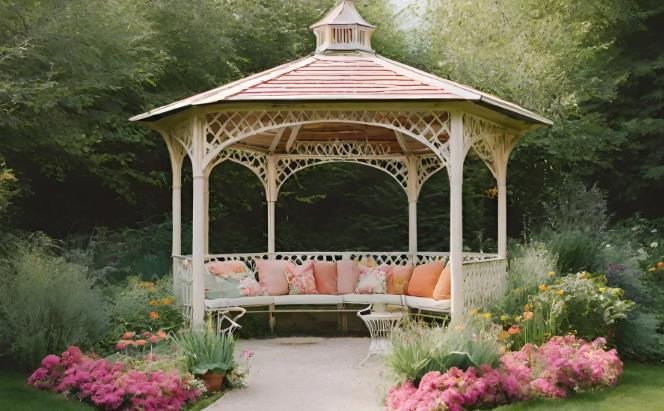
Planting around a round pavilion or gazebo is an art that requires careful consideration of the structure's design, the surrounding environment, and the types of plants you choose. This article will guide you through the process, providing tips and ideas to enhance the beauty and functionality of your outdoor space.
Pavilions and gazebos are popular garden features that offer shade, shelter, and a focal point for outdoor gatherings. They come in various styles, from traditional wooden structures to modern metal designs. Whether you have a round pavilion or a gazebo, the key to integrating it into your landscape is thoughtful planting.
When selecting plants for around your pavilion or gazebo, consider factors such as sunlight, soil type, and desired maintenance level.
- Sunlight and Shade: Different areas around your structure receive varying amounts of sunlight. Choose plants that thrive in these conditions. For example, south-facing areas are ideal for sun-loving plants like roses or lavender, while north-facing areas suit shade-tolerant plants like ferns or hostas.
- Soil Type: Ensure the plants you select are compatible with your soil type. Some plants prefer well-draining soil, while others can tolerate moist conditions.
- Maintenance Level: Consider how much time you have for plant care. Low-maintenance options like succulents or shrubs are great for busy gardeners.
Here are some strategies to create a beautiful and harmonious planting scheme around your pavilion or gazebo:
1. Layered Planting: Use a mix of trees, shrubs, perennials, and groundcovers to create depth and visual interest. This layered approach helps blend the structure with its surroundings.
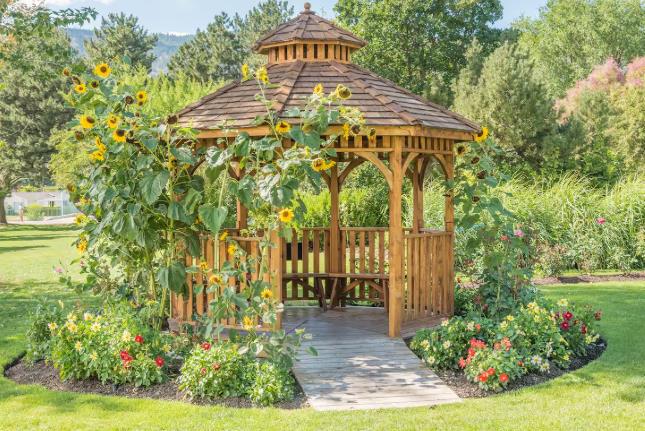
2. Climbing Plants: Train vines like clematis, ivy, or wisteria to climb up the pavilion or gazebo. This not only adds beauty but also provides natural shade and privacy.
3. Colorful Entrance: Create a welcoming entrance with a mix of evergreen and flowering plants. This ensures interest throughout the seasons.
4. Sensory Garden: Incorporate plants with different textures, scents, and sounds to engage all senses. For example, fragrant herbs like rosemary or lavender can enhance the sensory experience.
5. Seasonal Interest: Choose plants that offer seasonal interest, such as spring bulbs, summer flowers, autumn foliage, and winter berries. This keeps your garden vibrant year-round.
Here are some design ideas to inspire your planting scheme:
- Traditional English Style: Use a mix of climbing roses, honeysuckle, and English ivy to create a romantic, vintage look.
- Mediterranean Paradise: Incorporate olive trees, lavender, and rosemary for a warm, Mediterranean ambiance.
- Bohemian Garden Escape: Mix colorful fabrics with eclectic plantings like succulents and wildflowers for a whimsical feel.
- Japanese Garden: Create a serene atmosphere with bonsai trees, moss, and bamboo. This style emphasizes simplicity and natural beauty.
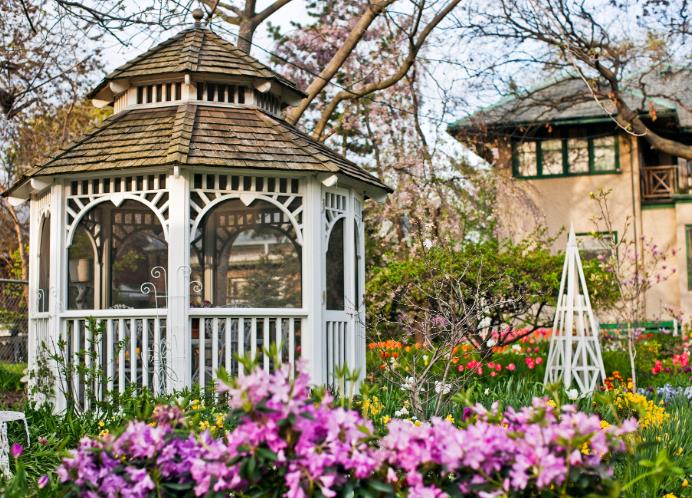
For those who enjoy DIY projects, here are some tips to enhance your pavilion or gazebo:
- Build a Green Roof: Add a layer of plants on top of your structure for a sustainable and visually appealing feature. This requires a waterproofing layer, root barrier, and drainage system.
- Install a Trellis: Use a trellis to support climbing plants and add an ornamental touch.
- Add Lighting: Incorporate solar-powered lights along garden paths or around the pavilion for a magical evening ambiance.
- Create a Pathway: Design a meandering pathway using stone, brick, or gravel to lead visitors to the pavilion. This adds visual interest and guides foot traffic.
For visual inspiration and DIY guidance, consider watching these videos:
- Building a Pavilion from Scratch: Learn how to lay the foundation and construct a pavilion step-by-step.
- Landscaping Around a Gazebo: Get tips on creating a beautiful garden bed around your structure.
- Green Roof Installation: Understand the process of installing a green roof, including materials and maintenance tips.
Seasonal planting is essential to keep your garden vibrant throughout the year. Here are some seasonal planting ideas:
- Spring Planting: Incorporate bulbs like tulips or daffodils for early spring color. Add perennials like peonies or hydrangeas for late spring blooms.
- Summer Planting: Focus on warm-season annuals like zinnias or marigolds for vibrant color. Incorporate herbs like basil or mint for fresh flavors.
- Autumn Planting: Plant fall foliage trees like maples or oaks for stunning color. Add perennials like asters or sedum for late-season blooms.
- Winter Planting: Incorporate evergreen shrubs like holly or boxwood for year-round greenery. Plant winter-flowering bulbs like snowdrops or winter aconite for early spring interest.
If you're on a budget, consider these cost-effective strategies:
- Repurpose Materials: Use recycled materials like old pallets or bricks to create planters or pathways.
- Start Small: Begin with a few plants and gradually expand your garden as your budget allows.
- Shop for Sales: Look for plant sales at local nurseries or online to find affordable options.
Planting around a round pavilion or gazebo is a creative process that can transform your outdoor space into a serene and inviting oasis. By choosing the right plants, considering environmental factors, and incorporating thoughtful design elements, you can create a harmonious blend of nature and architecture.
Here are some frequently asked questions about planting around a pavilion or gazebo:
In small yards, vertical gardening with climbing plants like ivy or clematis is ideal. These plants provide shade and privacy without taking up too much space.
Regular maintenance includes watering, pruning, and fertilizing plants as needed. Deadheading flowers and clipping back overgrown shrubs can keep your garden looking tidy.
Yes, you can plant a green roof on your gazebo. This requires a waterproofing layer, root barrier, and drainage system to ensure the plants thrive without damaging the structure.
Low-maintenance options include succulents, shrubs like boxwood, and perennials like hostas. These plants require minimal care and can thrive in various conditions.
Incorporate plants with different textures (like succulents), scents (like lavender), and sounds (like wind chimes) to create a sensory garden that engages all senses.
[1] https://www.gazebodepot.com/planting-around-your-wood-pavilion/
[2] https://www.gardenpatch.co/garden-gazebo-ideas-pergola-summerhouse/
[3] https://www.gardengatemagazine.com/articles/garden-plans/decks-patios/planting-around-a-gazebo/
[4] https://www.lawnstarter.com/blog/landscaping/gazebo-ideas-for-yard/
[5] https://www.youtube.com/watch?v=SOJw-VqxneA
[6] https://www.thespruce.com/gazebo-design-ideas-4154886
[7] https://imagiine.uk/planting-tips-how-to-plant-around-a-gazebo/
[8] https://www.arkaenergy.com/learn/garden-gazebo-ideas
[9] https://dunsterhouse.co.uk/blog/how-to-landscape-around-your-gazebo
[10] https://www.youtube.com/watch?v=HV3qJ5nOJZk
[11] https://www.youtube.com/watch?v=BrJm2Xe2oUg
[12] https://www.youtube.com/watch?v=gYXO4WFBhqo
